

The United States vowed to choke the Strait of Hormuz after Iran refused to bend, but the results so far have exposed the limits of naval power in one of the world’s busiest maritime corridors.
The US Navy, deployed east of the Strait in the Gulf of Oman to monitor and restrict traffic entering or leaving the passage, has not been able to make the blockade airtight. Dozens of tankers have reportedly continued to slip through, with speculation about a direct route from Iran’s Kharg Island to Mumbai.
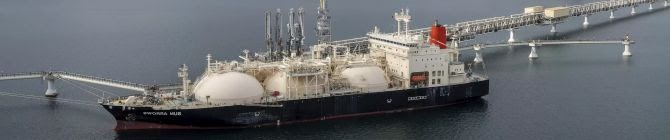
The latest example of an Indian ship crossing the strait is the vessel Desh Garima. Though it came under Iranian fire along the tense route, it docked in Mumbai last Wednesday carrying 97,000 metric tonnes of crude oil from Ras Laffan in Qatar.
Not just Desh Garima, but over 30 other tankers have reportedly passed through the Strait of Hormuz since the US blockade began on 13 April. Reports also suggest multiple non‑Indian ships have headed from Iran to India, though neither Tehran nor New Delhi has confirmed this.
The Financial Times noted that at least 34 tankers with links to Iran have bypassed the blockade since it began, tracking dozens of ships moving in and out of the Persian Gulf. According to the Ministry of External Affairs, 14 Indian vessels are currently present in the Strait of Hormuz region.
The routes available to vessels bound for India have been the subject of debate. Jim Bianco of Bianco Research and business influencer Mario Nawfal both suggested that ships could hug Iranian territorial waters and then enter Pakistani waters before sailing past the blockade.
This path would allow vessels to move directly from Iranian into Pakistani waters without entering international waters. While technically possible, the involvement of Pakistani waters complicates
matters for India.
The US Navy cannot stop vessels inside another country’s territorial waters under normal circumstances. Another possible route involves hugging Iran’s coastline up to Chabahar Port, then turning south into international waters, from where ships can sail directly to India’s western ports.
Under the United Nations Convention on the Law of the Sea, coastal nations control 12 nautical miles of territorial waters, but foreign merchant ships enjoy the right of “innocent passage.”
Defence expert Sandeep Unnithan explained that there is no restriction for Indian vessels to sail through Pakistani waters, just as Pakistani ships can pass through Indian waters. Even warships can pass, though they require clearance which may not be granted.
A retired senior Indian Navy officer added that the US blockade primarily targets ships entering or leaving Iranian ports, not neutral vessels such as Indian‑flagged tankers. Risks remain from Iran, which has fired on vessels and imposed restrictions.
The officer noted that most of India’s trade travels on foreign‑flagged ships, and in times of conflict, insurance premiums rise while operators hesitate to enter the area.
The Indian Navy plays a quiet but critical role. Once a ship’s passage through the Strait is cleared, often through case‑by‑case negotiations by the Ministry of External Affairs, the Navy likely meets it at a rendezvous point in the Gulf of Oman, away from US and Iranian operational zones.
Escorted vessels then head directly to Indian ports such as Mumbai or Kochi, without needing to hug the Pakistani coast. While passage through Pakistani waters is possible under innocent passage rules, it is considered unnecessary and politically risky.
Reciprocal maritime bans between India and Pakistan, imposed after the Pahalgam attack and subsequent trade restrictions, complicate matters further. Pakistan barred Indian‑flagged carriers from using its ports, while India banned imports transiting through Pakistan. Though these bans target flagged vessels and port access, they create hurdles for Indian ships near Pakistani waters.
US Central Command has so far directed 28 vessels to turn back and boarded or detained a few ships. President Donald Trump has described the blockade as a “tremendous success” that gives America control over the Strait. Yet once a tanker enters territorial waters of Iran, Pakistan, or India, it moves outside the easy reach of US forces, which cannot enter sovereign waters without permission.
The US claims the blockade is hurting Iran’s oil revenue, but discounted crude continues to flow, showing that modern blockades are difficult to make airtight. By using Iranian waters, ships can move into international waters either near Chabahar Port or along the Makran coast into Pakistani waters before sailing into the Arabian Sea.
The journey from Kharg to Mumbai remains possible, shaping energy security and diplomatic calculations in the region.
Agencies
