

Iran’s maritime actions on 14 May marked a sharp escalation in the ongoing confrontation in West Asia, coinciding with a fractious BRICS meeting in New Delhi.
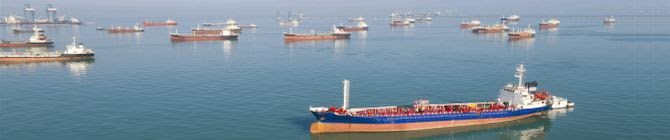
Within hours, Iranian forces seized a Chinese-operated floating armoury anchored off Fujairah and attacked the Indian‑flagged cargo vessel Haji Ali, which subsequently sank in the Gulf of Oman.
The UK Maritime Trade Operations centre confirmed the boarding and diversion of the Chinese‑linked vessel toward Iranian waters, while Oman’s coast guard rescued all 14 Indian crew from the stricken Indian ship.
These dual strikes underscored Tehran’s willingness to expand its maritime reach and link military escalation directly to diplomatic confrontation.
The incidents unfolded as Iranian Foreign Minister Abbas Araghchi used the BRICS platform to accuse the UAE of direct involvement in attacks against Iran, intensifying divisions within the bloc. Iran pressed BRICS members to condemn the United States and Israel, but consensus proved elusive, with the UAE’s presence complicating alignment.
Indian Foreign Minister S Jaishankar stressed the importance of stability and unimpeded maritime flows, while also voicing concern over unilateral sanctions. The UAE labelled the attack on the Indian vessel a “terrorist attack,” and India termed it “unacceptable,” highlighting divergent emphases in public messaging that exposed fractures in the group’s unity.
The strategic significance of these maritime incidents lies in their impact on global trade. The Strait of Hormuz handles roughly one‑fifth of global oil shipments, making any disruption a direct threat to energy markets.
The seizure of a Chinese‑linked vessel risks straining Tehran‑Beijing ties at a time when China has sought to balance its energy dependence on the Gulf with its strategic partnership with Iran. The sinking of an Indian ship places pressure on New Delhi, the world’s third‑largest oil importer, to respond decisively, especially as its energy security is tied to uninterrupted shipping lanes.
These developments also cast doubt on the practical impact of the reported Trump‑Xi understanding to keep Hormuz open, revealing the limits of diplomatic signalling when challenged by events at sea.
The broader context is the war between the US‑Israel coalition and Iran, ongoing since 28 February, which has already led to a near‑total halt of traffic through the Strait of Hormuz. Crude prices have surged toward $110 per barrel, while the Indian rupee has fallen to record lows under the pressure of rising import costs.
Iran’s history of detaining foreign vessels during periods of heightened tension continues, but the seizure of a Chinese‑operated ship at a UAE anchorage marks an assertive expansion of its operational reach. With regional production cuts and declining global oil inventories, continued maritime incidents risk deepening supply shocks and worsening economic pressures worldwide.
The dual maritime strikes therefore represent more than isolated incidents; they are part of a deliberate strategy by Tehran to leverage maritime disruption as a tool of political messaging and coercion.
By targeting both Chinese and Indian interests on the same day, Iran has simultaneously tested Beijing’s tolerance, pressured New Delhi’s maritime resilience, and complicated BRICS’ ability to present a unified front.
The collision of military escalation and diplomatic confrontation underscores the fragility of global energy security and the difficulty of maintaining consensus among diverse powers when confronted with aggressive unilateral actions.
Curated By IDN
