

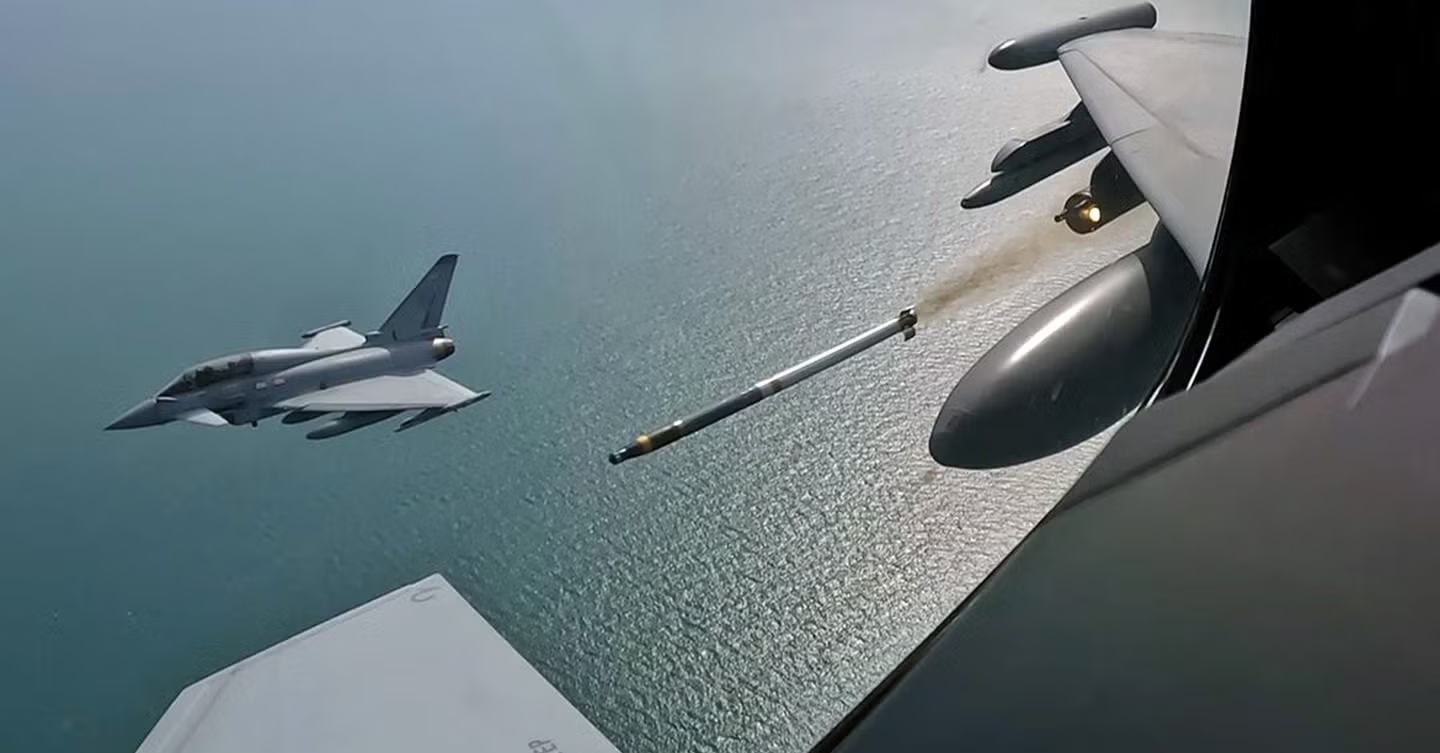
- The UK has tested and deployed the Advanced Precision Kill Weapon System (APKWS) in just two months
- The system will be used to provide precision strike capabilities against Iranian attack drones in the Middle East
- Royal Air Force (RAF) IX Squadron, currently based in Cyprus, will launch the weapon from Eurofighter Typhoon jets
RAF IX Squadron will launch the APKWS weapon from Eurofighter Typhoons to counter uncrewed aerial systems (C-UAS) that pose a threat in Middle East.
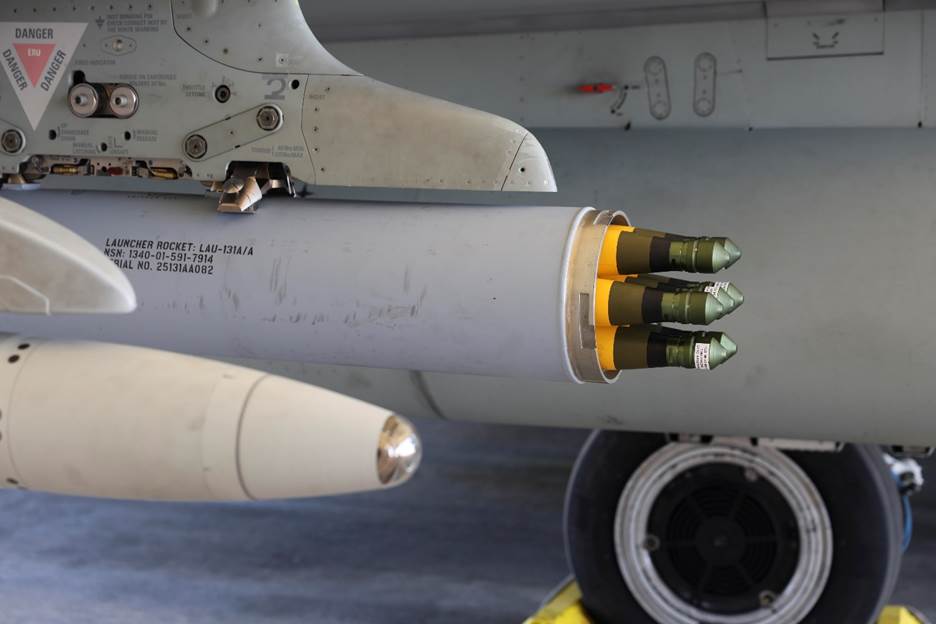
The system uses a laser targeting system that turns unguided missiles – the Hydra 70 rocket – into low-cost precision weapons able to take down enemy drones.

Discover B2B Marketing That Performs
Combine business intelligence and editorial excellence to reach engaged professionals across 36 leading media platforms.
The cost of unguided Hydra 70 rockets come to ~$3,000 per unit, but equipped with the APKWS midsection, the precision guided weapon comes to ~$24,000, according to FY2022 budget estimates.
This is considerably less than other air-to-air missiles in the RAF inventory, such as the heat-seeking Advanced Short Range Air-to-Air Missile (ASRAAM), which costs hundred of thousands more. Meanwhile, ASRAAM is being reconfigured for ground based air defence from the versatile Raven system in Ukraine.
C-UAS refuse to wait for the DIP
Low-cost C-UAS is a coveted capability for cash-strapped and overstretched militaries like the UK Armed Forces.
The drone age demands innovative and timely responses to counter emerging UAS technologies in a sustainable way. In this landscape, there is no waiting for the Government’s routinely delayed Defence Investment Plan (DIP), which will detail a cost breakdown for all major UK defence programmes for the next ten years.
Contemporary conflict trends point to the need to preserve conventional capabilities.
For example, the US-Iran war demonstrated the need to preserve an advanced and costly missile inventory. The US Air Force, upon securing aerial superiority over Iran, soon resorted to B-52 bombing runs and the use of laser guided kits to deliver Joint Direct Attack Munitions.
Indeed, the UK has demonstrated remarkable efforts to reduce the cost gap between attack drones and the means to intercept them, particularly in the Middle East, where new systems like Rapid Sentry (using LMMs from the ground) as well as detection and tracking systems such as ORCUS and NINJA systems.
Two-month turnaround
BAE Systems and QinetiQ have helped to move APKWS from testing to deployment on operations in less than two months.
March saw a successful test strike on a ground-based target, and RAF Typhoon pilots from 41 Test and Evaluation Squadron conducted successful air-to-air firing in April, demonstrating the system’s ability to defend against drone attacks.
While this procurement time is laudable, fulfilling the fast delivery commitments promised in the new segmented approach to defence acquisition, it should equally be noted that APKWS is already a battle-proved system.
BAE Systems claim the capability has been in full production for over 12 years with more than 100,000 units delivered to date, while current manufacturing capacity is at 25,000 units per year.
The UK Government, consumed by political turmoil threatening Keir Starmer’s position as Prime Minister, continue to look for ways to embody strength in defence and security after the Defence Secretary John Healey was criticised for his slow response to the Iranian strikes against RAF Akrotiri.

