
Close Menu
Defence Line
    What's Hot

    When Internships Enable Child Labor in China – The Diplomat

    May 22, 2026

    Lashkar-E-Taiba Terrorist Farman Ali Nagra Shot Dead In Muridke, Pakistan

    May 22, 2026

    Defense Manufacturing That Meets the Moment

    May 22, 2026
    Facebook X (Twitter) Instagram
    • Home
    Facebook X (Twitter) Instagram
    Defence LineDefence Line
    • Home
    • Asia Pacific
    • US-Russia
    • NATO Europe
    Subscribe
    Defence Line
    Home»India Defence»China Rejects Pakistan’s Plea For Nuclear Second-Strike Capability After Babur-3 Failure
    India Defence

    China Rejects Pakistan’s Plea For Nuclear Second-Strike Capability After Babur-3 Failure

    Defenceline WebdeskBy Defenceline WebdeskMay 22, 2026No Comments3 Mins Read
    Facebook Twitter Pinterest LinkedIn Tumblr Email
    Share
    Facebook Twitter LinkedIn Pinterest Email


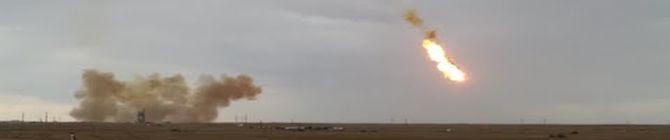
    Babur cruise missile failed in April 2018 and second consecutive test failed in March 2020

    China has reportedly refused Pakistan’s plea for assistance in acquiring a sea-based nuclear second-strike capability, citing proliferation concerns and international treaty obligations.

    The rejection comes after Pakistan’s Babur-3 submarine-launched cruise missile programme failed to deliver a credible deterrent, leaving Islamabad without a survivable retaliatory option against India’s advancing nuclear submarine fleet.

    Pakistan’s request to Beijing was made during high-level strategic talks, where Islamabad sought guarantees against possible US retaliation and offered concessions such as expanded Chinese access to Gwadar Port. The proposal included military modernisation support and intelligence upgrades to counter India’s growing capabilities.

    However, China firmly declined, warning that such a transfer would amount to direct nuclear proliferation in South Asia and risk violating the Nuclear Non-Proliferation Treaty, under which Beijing is classified as a nuclear weapon state. Pakistan, not being a signatory, remains outside the treaty framework, making any such transfer diplomatically and legally untenable.

    The refusal highlights the limits of the so-called “all-weather” alliance between China and Pakistan. While Beijing has supplied Islamabad with advanced conventional weapons, submarines, fighter jets, and financial aid, it has drawn a red line at nuclear second-strike technology.

    Survivable deterrence, based on nuclear-powered ballistic missile submarines, is considered one of the most sensitive elements of global security architecture.

    Only six nations — the United States, Russia, China, France, the United Kingdom, and India — currently maintain such capabilities, with continuous patrols ensuring assured retaliation even after a devastating first strike.

    Pakistan’s Babur-3 program, unveiled in 2017, was intended to provide a submarine-launched nuclear-capable cruise missile to establish second-strike credibility.

    However, technical failures, limited submarine endurance, and inadequate stealth capabilities have prevented the system from maturing. In contrast, India has successfully tested the K-4 submarine-launched ballistic missile from its indigenous nuclear submarine INS Arighat, giving New Delhi a credible sea-based deterrent. This widening gap has left Pakistan vulnerable, prompting its appeal to China.

    The episode underscores Islamabad’s strategic anxieties as India consolidates its nuclear triad. Pakistan’s reliance on land-based missiles and aircraft leaves its arsenal exposed to a potential pre-emptive strike.

    Without a credible second-strike option, its deterrence posture risks being undermined. China’s refusal also reflects Beijing’s caution in avoiding direct entanglement in South Asia’s nuclear rivalry, even as it deepens conventional defence cooperation with Pakistan.

    Analysts suggest that Pakistan may now attempt to revive its Babur-3 programme with indigenous improvements or seek alternative technologies short of full-fledged nuclear submarines. However, the technological, financial, and operational hurdles remain immense.

    The setback illustrates the constraints facing Pakistan’s strategic ambitions and the careful balancing act China must perform between supporting its ally and avoiding international fallout.

    Agencies


    Source link

    Share. Facebook Twitter Pinterest LinkedIn Tumblr Email
    Defenceline Webdesk

    Related Posts

    Lashkar-E-Taiba Terrorist Farman Ali Nagra Shot Dead In Muridke, Pakistan

    May 22, 2026

    India Expands Ladakh Border Infrastructure With Strategic Roads, Tunnels And Military Hubs

    May 22, 2026

    India’s Rafale Interface Control Document Dispute Highlights Limits of Technology Transfer

    May 21, 2026

    India Launches ₹37,500 Crore Coal Gasification Drive To Boost Energy Security And Cut Imports

    May 21, 2026
    Add A Comment

    Comments are closed.

    Economy News

    When Internships Enable Child Labor in China – The Diplomat

    Indo-Pacific May 22, 2026

    A 16-year-old vocational student arrived at a factory in Kunshan, Jiangsu Province, for an internship.…

    Lashkar-E-Taiba Terrorist Farman Ali Nagra Shot Dead In Muridke, Pakistan

    May 22, 2026

    Defense Manufacturing That Meets the Moment

    May 22, 2026
    Top Trending

    When Internships Enable Child Labor in China – The Diplomat

    Indo-Pacific May 22, 2026

    A 16-year-old vocational student arrived at a factory in Kunshan, Jiangsu Province,…

    Lashkar-E-Taiba Terrorist Farman Ali Nagra Shot Dead In Muridke, Pakistan

    India Defence May 22, 2026

    According to sources, Lashkar-e-Taiba member Farman Ali Nagra was shot dead by…

    Defense Manufacturing That Meets the Moment

    Strategic Affairs May 22, 2026

    John Teichert, RealClearDefense America’s most significant strategic rival, China, first exceeded U.S.…

    Subscribe to News

    Get the latest sports news from NewsSite about world, sports and politics.

    Facebook X (Twitter) Pinterest Vimeo WhatsApp TikTok Instagram

    News

    • World
    • US Politics
    • EU Politics
    • Business
    • Opinions
    • Connections
    • Science

    Company

    • Information
    • Advertising
    • Classified Ads
    • Contact Info
    • Do Not Sell Data
    • GDPR Policy
    • Media Kits

    Services

    • Subscriptions
    • Customer Support
    • Bulk Packages
    • Newsletters
    • Sponsored News
    • Work With Us

    Subscribe to Updates

    Get the latest creative news from FooBar about art, design and business.

    © 2026 Defenceline. Designed by Digitwebs.
    • Privacy Policy
    • Terms
    • Accessibility

    Type above and press Enter to search. Press Esc to cancel.