

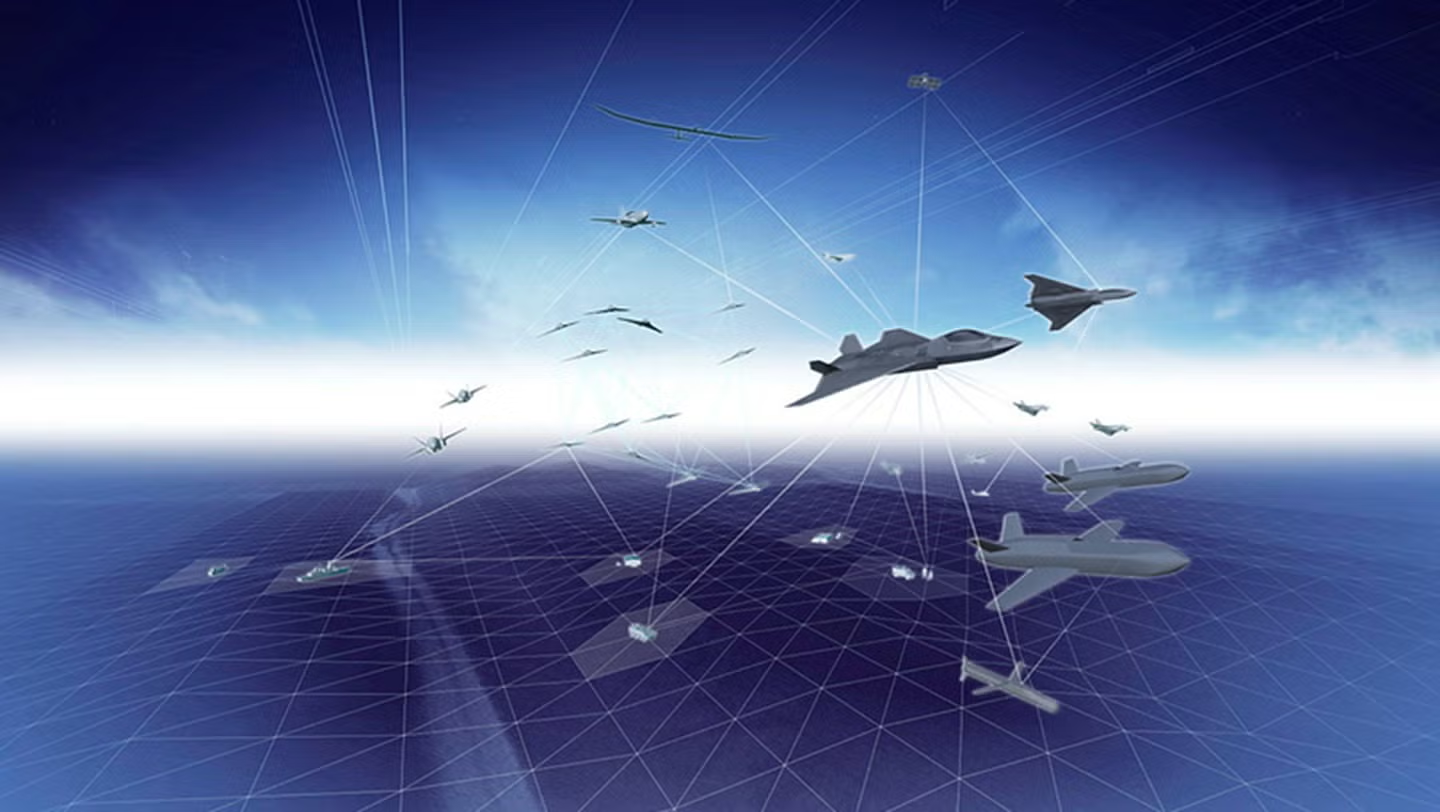
- UK reveals “Storm Fighter” uncrewed wingman concept for RAF fighters
- Echoes Project Mosquito, launched 2021 and cancelled 2022
- Doubts it will reach service given UK history as alternatives like MQ-28 advance
The UK has unveiled its latest uncrewed wingman for the Royal Air Force’s (RAF) fighter fleet, dubbed Storm Fighter, during the speech by a UK Government minister at the Global Air and Space Chiefs’ Conference.
So-called Collaborative Combat Aircraft (CCA), platforms like the conceptual, and uncrewed, Storm Fighter operate alongside crewed fixed-wing combat aircraft operating with the RAF, such as the Typhoon, F-35B (and future F-35A), as well as the developmental GCAP sixth-generation fighter, dubbed Tempest.
“Storm Fighter will make the RAF’s Europe’s first 6th generation air force,” said Luke Pollard, Minister for Defence Readiness at the UK Ministry of Defence (MoD).
Delivering the keynote speech on 16 July on the second day of the event, Pollard added that the new CCA would act “as both guardian angel and an attack dog” for the RAFs combat aircraft, backed by £300m ($405m) in funding.
At the event, a model of Storm Fighter was displayed, described as an Autonomous Combat Aircraft (ACP).
The concept works, in principle. The CCA’s are networked with ‘parent’ air platforms, feeding in data to provide a more complete picture of the evolving battlespace, while offering a range of distributed effectors that can be targeted against an adversary.
This includes electronic warfare and air-to-air or air-to-ground strike, as well as, potentially, acting as a kind of decoy to protect crewed assets from inbound kinetic threats.
Only, this is not the first time the UK has created a CCA, with a rich history showing great strides in developing uncrewed systems before the inevitable cancellation.
Mosquito: the original UK CCA
Hailed at the outset as the next step in the development of the UK’s Future Combat Air System (FCAS) next-generation fighter capability, the cancellation of the platform’s supposed complementary Loyal Wingman uncrewed CCA, dubbed Project Mosquito, represented another milestone in the UK’s journey of innovation and abandonment.
Initiated in Q1 2021 through a £30m contract award to Spirit AeroSystems in Belfast to develop and flight test a demonstrator by Q4 2023, the Mosquito aircraft would be a key element in a system-of-systems approach with the Tempest sixth-generation fighter at the core, surrounded by Mosquito CCAs and other systems being developed under the then Lightweight Affordable Novel Combat Aircraft (LANCA) programme.
By the end of Q2 2022, Project Mosquito was dead, with the then RAF Air Chief Marshal Sir Mike Wigston stating at the Global Air Chiefs’ Air Power Conference in London that a “huge amount” had been learned from the programme.
The focus, however, had shifted to systems that could be “operationalised” at a “much faster pace”.
The UK did manage to introduce a lower-technology ACP called StromShroud in 2025, intended to operate along with fixed-wing platforms. However, the platform, which is based on Tekever’s AR3, can only fly at low speeds and unable to maintain flight with jet-powered combat air.
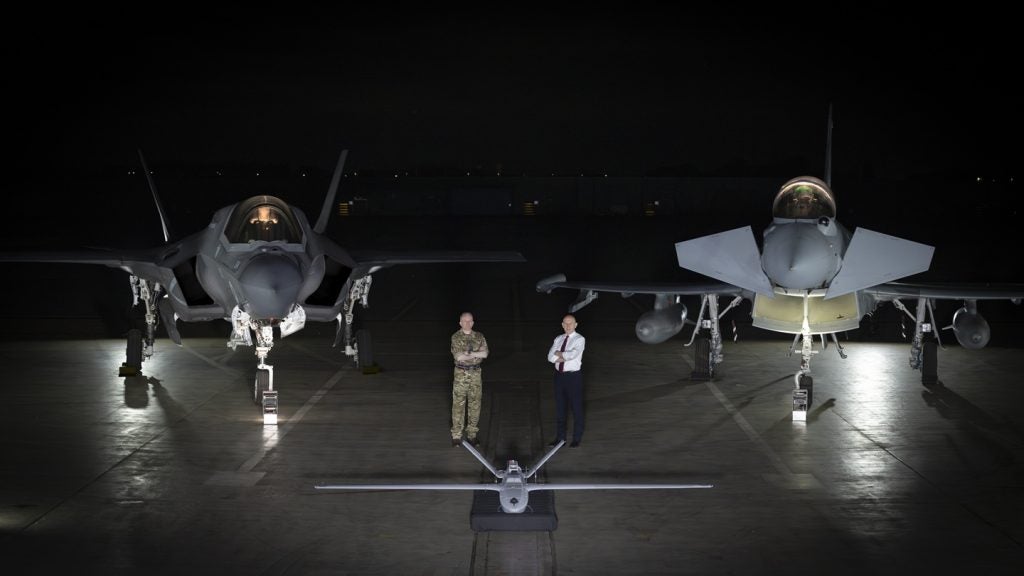
It is not known what timeline exists for the development of Storm Fighter, but had Mosquito not been cancelled in 2022, it is probably that the RAF could already be in the process of integrating CCAs with fixed-wing fighters.
Mosquito then, went the same way as the Taranis fifth-generation stealth drone, and the Herti and Mantis systems before it, with industry and the UK MoD taking forward lessons learned but falling short of developing service-entry platforms.
With Boeing’s MQ-28 Ghost Bat much further along the development timeline and due to be showcased at the Farnborough Airshow in the UK next week, what chance the MoD decides that perhaps it is easier to buy capabilities from overseas instead?

