

Australia’s recent acquisition of the US-made AIM-260 Joint Advanced Tactical Missile (JATM), coupled with its first successful solid rocket motor flight test, marks a transition toward strengthening its long-term missile supply resilience, according to analysis by GlobalData.
Last week, Deputy Prime Minister and Defence Minister Richard Marles announced a A$736m ($518m) investment, which will make Australia the first nation outside the US to operate the AIM-260 Joint Advanced Tactical Missile (JATM).

Discover B2B Marketing That Performs
Combine business intelligence and editorial excellence to reach engaged professionals across 36 leading media platforms.
According to GlobalData, this acquisition reflects a shift to secure advanced combat capability in the short term, while domestic rocket motor development addresses sustained supply for the future.
GlobalData Aerospace and Defence analyst Akash Pratim Debbarma said: “Australia announcing an advanced US missile purchase and its first sovereign rocket motor flight test on the same day is not a coincidence.
“Solid rocket motors, rather than airframes or seekers, are the component that limits how many missiles the West can produce, and the conflicts in Ukraine and Iran have drawn stocks down faster than industry can replace them.”
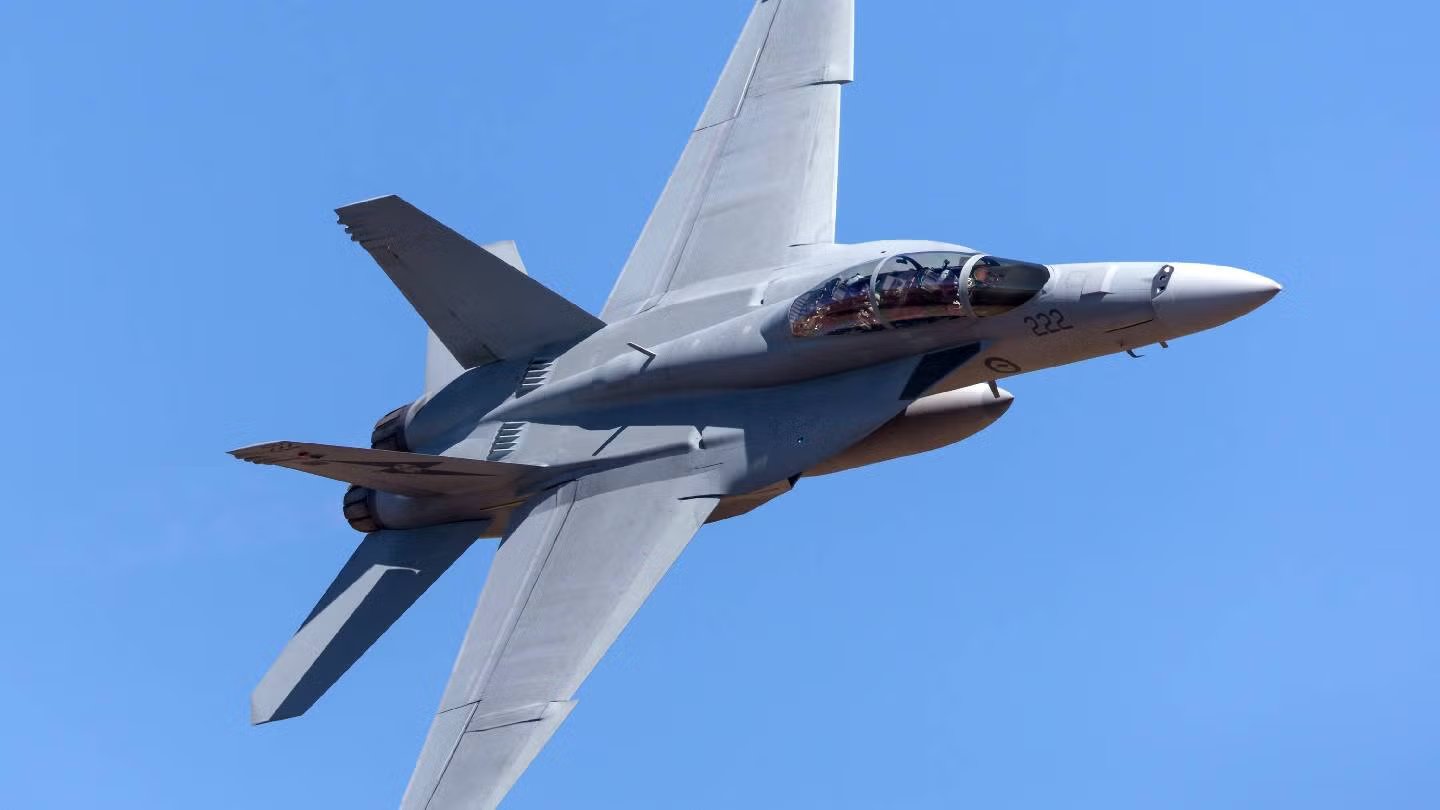
Australia plans to initially deploy the AIM-260 on the Royal Australian Air Force’s F/A-18F Super Hornet, before being introduced to its F-35A Lightning II and EA-18G Growler fleets.
Operational integration with the Super Hornet will provide a quick path to deployment, mirroring the US Navy’s existing AIM-260 capability.
Debbarma explained: “Fielding on the Super Hornet first delivers a usable capability quickly, because the US Navy has already flown the missile on that aircraft. The transformative step, however, is the integration with the F-35A.”
The AIM-260 is set to replace the older AIM-120 AMRAAM, which currently leaves Australian fighters at a range disadvantage against China’s PL-15 missile.
Debbarma said: “The AIM-260 removes that handicap, and the F-35A then supplies the advantage, because a stealth aircraft can reach its firing position without being detected on the way in. The missile restores parity and the aircraft creates the edge.”
Australia’s 2026 National Defence Strategy cites China’s military growth as the main factor in regional insecurity.
This shift in strategy follows increased regional activity, most notably a Chinese naval task group’s live fire exercise within Australia’s exclusive economic zone in early 2025.
GlobalData projects Australia to spend about $10.7bn on missile procurement through 2026-2036, with annual spending expected to rise to $1.3bn by the end of the decade.
Debbarma added: “The AIM-260 was developed in response to the PL-15, and it was deliberately built to the same dimensions as the AIM-120 AMRAAM that it replaces.
“Australia therefore gains the additional reach at no cost in carriage, because the missile fits the F-35A’s internal bays without modification and without reducing the number of rounds carried.
“For a fighter force that cannot match the People’s Liberation Army Air Force in numbers, maintaining a large engagement radius across every airframe is how Australia offsets that disparity.”

