

The Japan Fair Trade Commission (JFTC) is investigating suspected price-fixing in the beer and ice cream industries. While the jury is still out on the hops and frozen milk, Japanese consumer sentiment may already be at stake. How the agency handles these cases could shape consumer confidence in the economy during prolonged inflation.
On September 2, JFTC Secretary General Iwanari Hiroo began a regular press conference outlining the agency’s 2027 budget. What followed was not routine. Instead, Iwanari issued an unusual public warning against cartel-like activity amid rising prices. He said he could not recall a similar warning by the JFTC secretary general in his more than 30 years at the agency.
The statement came as prices for more than 8,000 consumer items were expected to rise during Japan’s autumn price hikes. Rising prices reflect a range of pressures on companies, from high energy prices to domestic logistics challenges. Iwanari acknowledged that price increases were a normal part of economic activity, even if they had a “severe impact” on daily life in Japan. The JFTC is concerned, however, that companies might use rising costs to justify coordinating price increases with competitors.
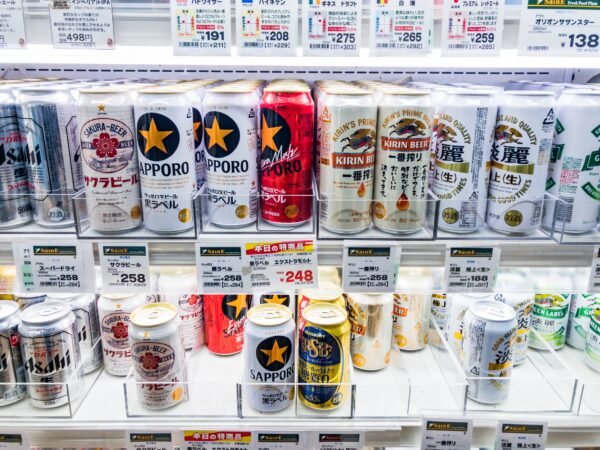
Five weeks later, the JFTC began investigating the country’s four largest beer companies over suspected coordination of price increases through an industry organization between 2022 and 2025. The move followed a similar investigation launched in June into six ice cream companies over suspected price-fixing.
Like the ice cream probe, the beer investigation has drawn extensive domestic and international media coverage. A Yomiuri Shimbun editorial described the alleged conduct as a “serious betrayal of consumers.”
The investigation could reinforce the broader perception that companies are seeking greater profits during an already difficult economic period. Japanese media have already drawn a parallel between the current investigation and the JFTC’s report on beer pricing in the 1990s, which resulted in no charges.
Japan’s experience of the 1990s also offers a useful reminder of how consumers react to economic uncertainty. In 1997, Japanese wages peaked at 4.67 million yen just as the Asian financial crisis began. These high wages did not necessarily translate into increased spending.
The financial crisis, combined with the domestic policy misstep of raising taxes, contributed to a more defensive consumer mentality. Low- and middle-income Japanese households began to save more as a precautionary move. Consumers increasingly bought only necessities and focused on cost. Retailers cut prices in response, helping bring about “price destruction” (価格破壊). The shift disrupted traditional pricing practices and promoted a more cost-conscious way of consuming.
Today’s economic conditions differ from those of the 1990s. Still, the lessons about consumer behavior remain relevant. In August, Japan had its eighth consecutive month of real wage growth (up 1.5 percent year over year). At the same time, household consumption fell 3.1 percent, marking the ninth consecutive month of declining spending. The divergence suggests that growing purchasing power has not translated into increased spending. The figures suggest consumers may be becoming more cautious throughout 2026.
The government of Japan recognizes the challenge of maintaining consumer confidence and strengthening household purchase power. Prime Minister Takaichi Sanae’s proposed reduction in the food consumption tax seeks to put more back in consumers’ pockets. Equally important is ensuring companies compete fairly and that prices are not shaped by unlawful coordination.
The JFTC’s investigation addresses this concern and aligns with the goals of the recent Food System Act. The act seeks to promote “reasonable food prices” by basing price formation on the necessary costs of sustainable production, enabling producers to keep operating while still ensuring “stable food security” for the public.
Beer and ice cream are not the same as vegetables, but they do offer daily enjoyment for many consumers. Both investigations will test the JFTC’s ability to prevent collusion and protect fair competition. The outcomes will matter beyond the industries involved and will likely shape public confidence in how prices are set.
The JFTC’s challenge, then, is to ensure companies compete fairly as Japan adjusts to prolonged inflation. If consumer confidence weakens, households may once again become even more defensive in their spending, as they did 30 years ago.
