

The United States has tightened restrictions on advanced artificial intelligence chips to prevent Chinese companies accessing the technology through overseas data centres.
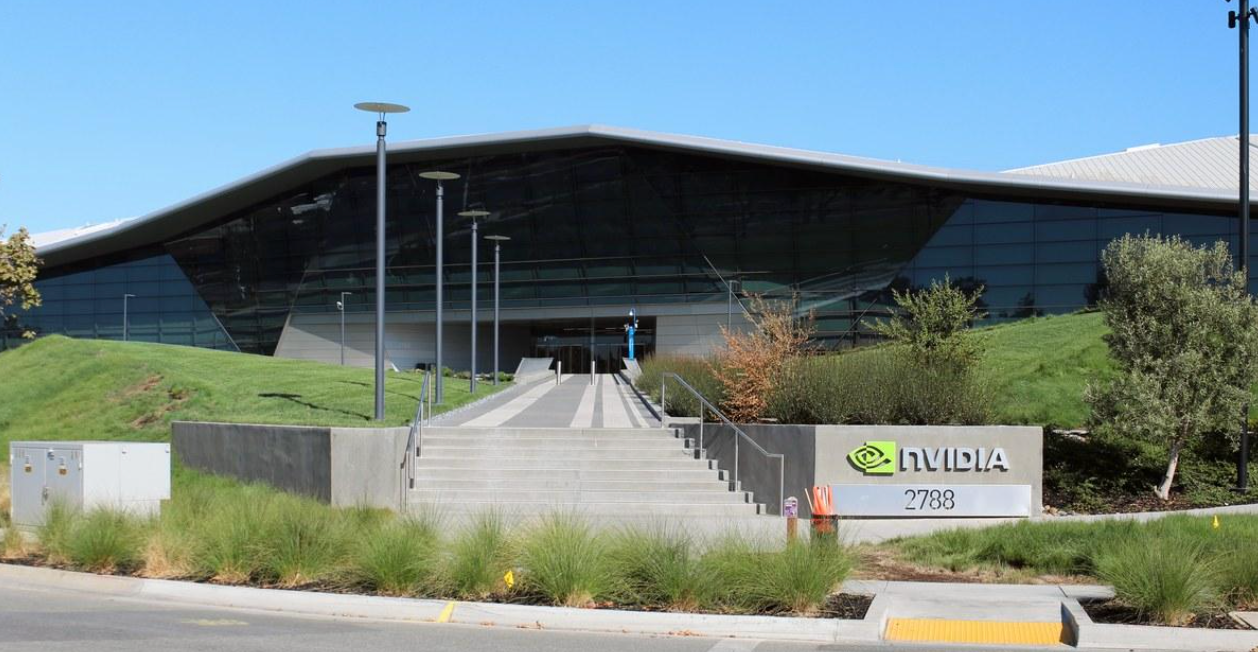
The measures come as American authorities investigate Singapore-based Megaspeed over suspected export control violations involving chips supplied by Nvidia.
The Commerce Department announced the new rules on Monday, extending existing controls to cover companies accessing powerful American computing systems remotely rather than importing restricted chips themselves.
Under previous restrictions, Chinese companies could still rent computing power from data centres in other countries, allowing them to develop sophisticated artificial intelligence systems without directly importing the technology.
The latest measures seek to close that loophole by requiring additional export licences and closer scrutiny of overseas data centres serving Chinese customers.
Dr John Hemmings, Director of the Henry Jackson Society’s National Security Centre, told National Security News that stronger enforcement would be essential if the restrictions were to succeed.
“US export restrictions are only as effective as their enforcement, and right now enforcement is the weak link. Washington is divided over how hard to police these rules, oversight is lax, and the system still lets chips flow to importers in third countries such as Malaysia. Those countries have become transshipment hubs for advanced US chips that end up with Chinese firms.”
The restrictions are part of Washington’s efforts to prevent advanced American technology being used to strengthen the Chinese People’s Liberation Army and intelligence services.
Since October 2022, the US government has required export licences for certain advanced semiconductors destined for China, including Hong Kong and Macau.
These chips provide the processing power needed to train sophisticated AI systems for both civilian and military use.
The expansion of cloud computing has complicated those restrictions, allowing companies to access powerful processors housed thousands of miles away without taking physical possession of the equipment.
The new measures introduce additional checks on overseas data centres providing computing services to customers in China and other restricted countries, including scrutiny of who ultimately uses the technology.
Additional licensing requirements apply to advanced chip shipments to Singapore, Malaysia, Thailand, Indonesia and Brazil, where American officials have identified an increased risk of technology being diverted to unauthorised customers.
Beijing condemned the restrictions on Tuesday, accusing Washington of economic coercion and interfering with international trade.
Chinese Foreign Ministry spokesman Guo Jiakun said: “China will do what is necessary to firmly safeguard its legitimate and lawful rights and interests.”
In a joint statement on Monday, the US Commerce and Justice departments confirmed that the Commerce Department began investigating Megaspeed in 2024 over suspected violations of semiconductor export controls.
Investigators requested records from Nvidia concerning sales to Megaspeed in May 2025. The chipmaker placed Megaspeed on its internal list of prohibited customers the following month.
Officials from the US Bureau of Industry and Security, working with Singaporean law enforcement, subsequently inspected Megaspeed and interviewed the company’s then chief executive, Alice Huang.
The Justice Department later took over the criminal investigation, which remains ongoing.
Hemmings said the case demonstrates wider weaknesses in the enforcement of American technology restrictions.
“The Megaspeed investigation shows three problems with enforcing the controls. First, the tech industry is lobbying the administration aggressively, and that pressure reaches into how the rules are applied. Second, trade through third countries is barely policed, so chips can be routed through Southeast Asia with little scrutiny. Third, licensing is too loose for companies that are plainly serving Chinese customers but are headquartered somewhere else.”
Megaspeed has denied wrongdoing, maintaining that the company conducts legitimate and lawful business. External legal counsel has been appointed to carry out an internal investigation.
Singapore’s Ministry of Home Affairs confirmed on November 12 that a separate investigation into Megaspeed and six individuals remains ongoing.
The Megaspeed investigation has drawn further attention following the resignation of Nvidia chief executive Jensen Huang last week, after reports emerged of his relationship with Alice Huang.
US intelligence officials reportedly suspected that Alice Huang had links to Chinese intelligence, although the allegations remain unproven. Singaporean authorities said their investigation did not concern espionage.
Hemmings warned that Chinese companies were already finding alternative routes to obtain advanced technology.
“Chinese companies are already finding other ways to get AI chips. The Observer reported earlier this year that an estimated $20–25 billion worth of advanced US chips has been sold into China. If Washington is serious, it needs to do more than add new restrictions.”
