

WASHINGTON — Rick Freeman, vice president at Amazon overseeing Amazon Leo for Government, is no longer leading the company arm charged with military space business, Breaking Defense has learned.
“Rick Freeman left Amazon in late February to explore new opportunities outside the company,” an Amazon spokesperson said.
“This change has no impact on our commitment to government and public sector customers in the US or elsewhere around the world. Amazon Leo was designed to provide resilient, secure communications to public sector customers across civil and defense, and we remain fully committed to that segment alongside our consumer and enterprise segments,” the spokesperson added.
A senior Amazon exec said that while there also has been an as yet unannounced shuffling of the marketing staff to combine the civil and government sides, no other personnel have been let go. The spokesperson did not address other impacts on the Leo team, nor say if a replacement has been named.
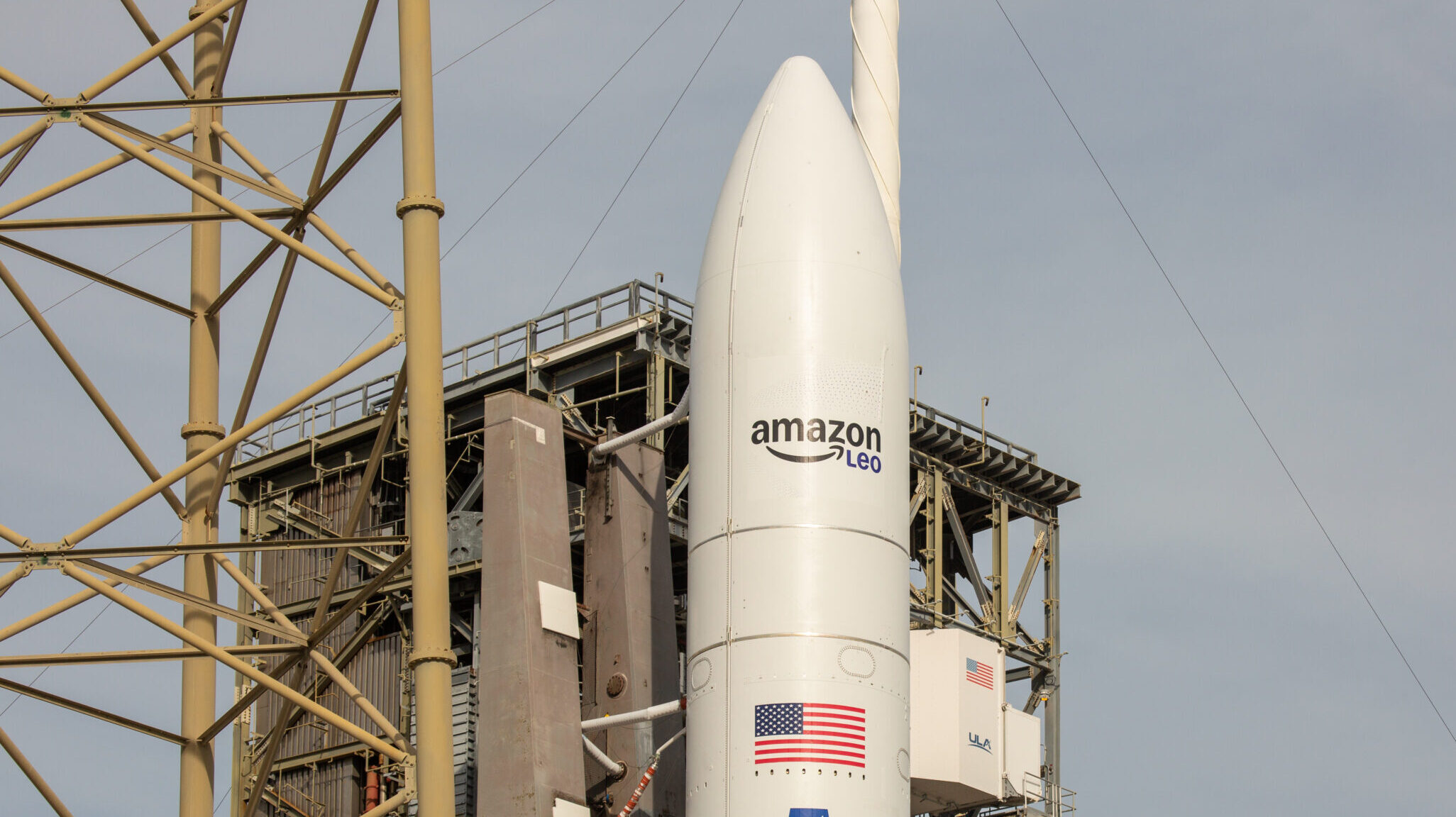
Founded in 2019 as Project Kuiper, Amazon Leo aims to build an internet-capable network of more than 3,000 satellites in low Earth orbit (LEO) to compete with SpaceX’s Starlink/Starshield network, owned by Amazon boss Jeff Bezos’s rival, Elon Musk. The company launched its first operational satellites in April 2025, changed its name in November 2025 and in February announced it now has 200 birds on orbit.
Amazon execs told investors in a Feb. 5 call that the parent firm intends to invest an additional $1 billion in Amazon Leo in 2026, on top of some $10 billion already invested, with more than 20 launches planned, according to Via Satellite.
There are a lot of hopes within the Defense Department and the Space Force for Amazon LEO’s success, with officials seeing the constellation as offering diversity beyond Starlink in the supplier base for so-called proliferated LEO broadband communications services. In particular, the firm is a potential candidate to expand the vendor base for the Space Force’s classified MILNET network for rapid data transport. MILNET is currently based on SpaceX’s Starshield satellites, built for the National Reconnaissance Office’s proliferated LEO constellation.
Freeman, a former Marine, joined the company in 2023 as the firm doubled down on its defense market focus. He could not be reached for this story.
