

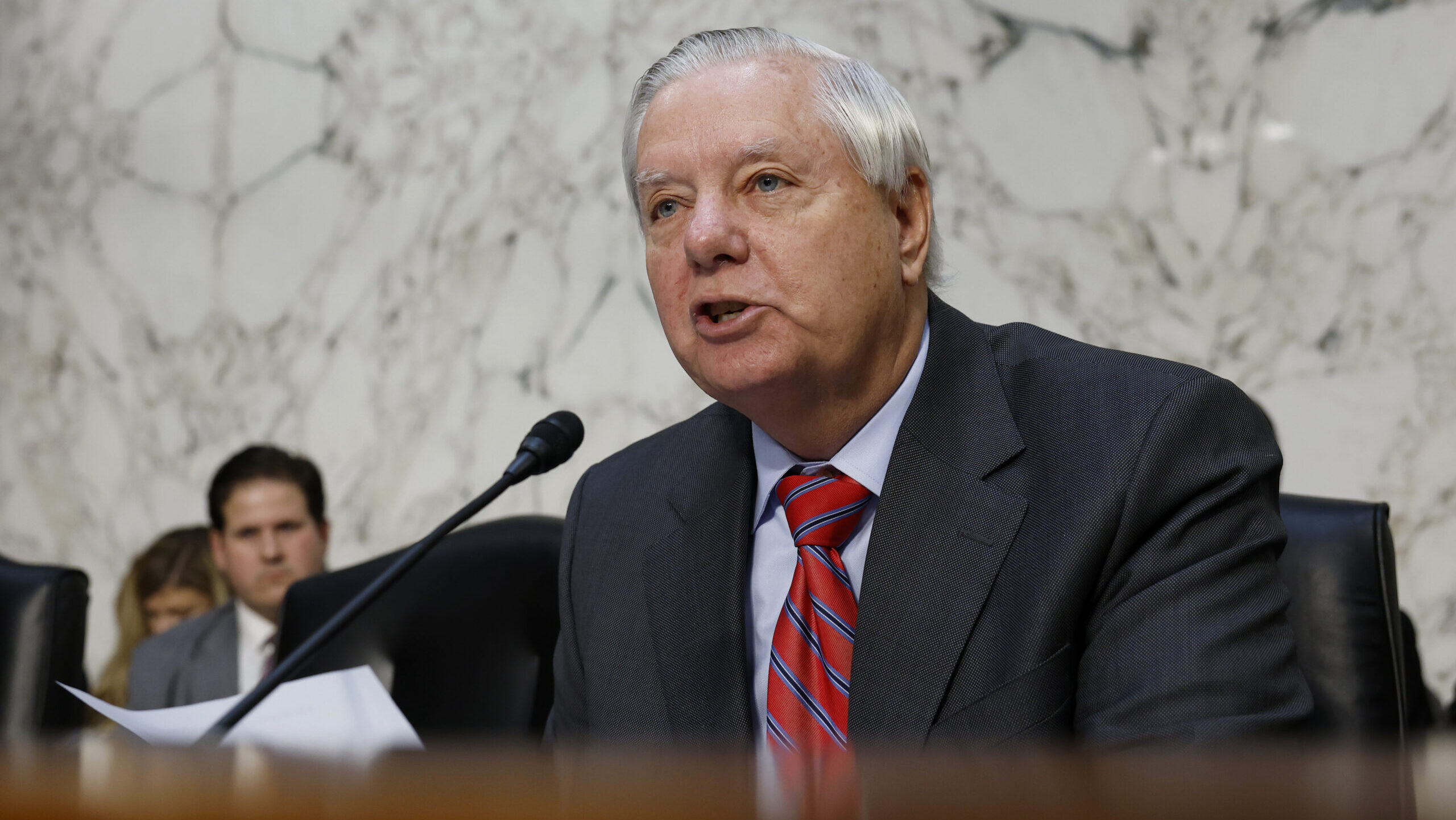
WASHINGTON — Republicans will push a second reconciliation bill this year with the intent of boosting funds for defense and federal law enforcement, Senate Budget Committee Chairman Lindsey Graham announced today.
“The number one priority of the federal government has always been keeping our homeland safe and keeping our enemies at bay over there so they can’t hit us here,” said Graham, R-SC, in a statement.
“The purpose of the second reconciliation bill is to make sure there is adequate funding to secure our homeland and to support our men and women in the military who are fighting so bravely. More funding will mean they can complete the task assigned and keep America safe – which is money well spent.”
How much money will be up for grabs for defense is still yet to be determined. President Donald Trump has stated his intention to fund a $1.5 trillion defense budget in fiscal 2027, although it’s unclear whether reconciliation is part of that calculus, as Trump previously has stated he did not see a need for another reconciliation. Also unclear is whether a forthcoming supplemental spending proposal for ongoing operations in Iran — which could potentially run about $200 billion — will make up part of the total defense spend.
House Armed Services Chairman Mike Rogers, R-Ala., told Breaking Defense in February that he was advocating for about $450 billion for defense in a second reconciliation bill.
“We’re not talking about something frivolous here. We’re talking about national defense,” he said in the interview, which took place before the US-Israeli strikes on Iran started.
Congress approved about $150 billion for the Pentagon in the 2025 reconciliation effort, with tens of billions of dollars meant to bolster the shipbuilding and munitions industrial base as well as for key modernization programs like the B-21 bomber, F-47 sixth generation fighter and Golden Dome missile shield.
The Defense Department intends to spend all of that money in FY26, it said in a spend plan delivered to Congress last month.
Aside from defense, the reconciliation bill will also support White House priorities such as border enforcement and “voter integrity,” Graham said in the statement, adding that the effort has the support of Trump and Senate Majority Leader John Thune.
