

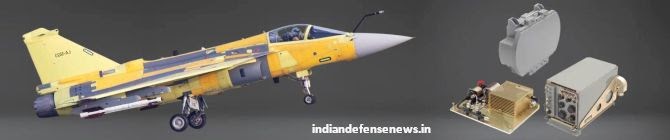
ELTA derived ELM-2052 AESA Radar and Electronic Warfare suite for TEJAS Fighter
HAL CMD Dr D.K. Sunil has acknowledged delays in the delivery of radar and electronic warfare systems for the TEJAS MK-1A due to the ongoing conflict in West Asia, but stressed that the situation is being managed and current aircraft already have the required equipment.
He expressed confidence that supplies will stabilise and hoped the war concludes quickly to avoid further disruption.
Dr Sunil explained that HAL has faced delays in receiving software for the radar systems sourced from Israel. He noted that during the previous war, supplies were briefly interrupted, but the plants resumed operations and delivered equipment. Software upgrades have also been received, though with some delay, and HAL has managed the situation effectively.
He emphasised that while the current conflict is expected to have some impact on supplies, HAL has already received the necessary equipment for the aircraft currently in production. This means that deliveries of the TEJAS MK-1A should not be significantly affected in the immediate term.
Sunil added that HAL is hopeful the war will conclude quickly, which would allow supply chains to normalise and delays to be resolved. He underlined that the company is working to catch up on timelines and ensure that the Air Force receives the aircraft as planned.
The radar and electronic warfare suite for the TEJAS MK-1A is a critical component, enhancing the fighter’s combat capability and survivability. The systems, supplied by Israel, include advanced AESA radar and electronic warfare modules that provide superior detection, tracking, and countermeasure capabilities compared to earlier variants.
Despite the geopolitical challenges, HAL has maintained steady progress on the program. The company has already integrated the radar and EW systems into the aircraft it has, and further deliveries are expected once supply chain disruptions ease.
Sunil’s remarks reflect HAL’s confidence in managing external challenges while keeping the TEJAS MK-1A program on track. The Indian Air Force has placed significant orders for the aircraft, and timely induction is crucial for its modernisation plans.
While the war has caused delays in radar software and equipment supplies, HAL has managed to secure the systems needed for current aircraft. The company remains optimistic that disruptions will be temporary and that deliveries will proceed as planned once the situation stabilises.
ANI
