

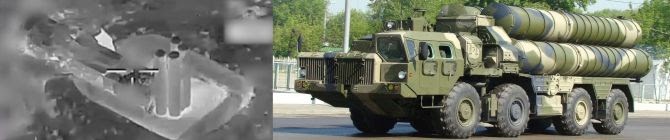
The Israeli Air Force has successfully neutralised one of Iran’s most sophisticated air defence assets in a precision strike, resulting in the total destruction of a Russian-made S-300PMU2 battery.
This operation, confirmed via official Israeli Defence Forces footage released on 7 April 2026, removes a critical high-altitude shield designed to intercept modern combat aircraft and cruise missiles.
By eliminating this long-range system, Israel has stripped Tehran of a primary defensive layer, marking a significant setback for Iran’s integrated military network.
For Washington and its regional partners, the strike highlights a pivotal shift in the balance of power, demonstrating that even top-tier Russian hardware can be penetrated and dismantled. The S-300PMU2 is a vital node in Iran’s strategic deterrence, and its loss suggests a growing vulnerability in what was previously considered a formidable anti-access/area denial zone.
Defence analysts have noted that this specific system was part of a major 2016 contract worth $1 billion, which replaced an earlier, embargoed order for the older PMU-1 variant.
Technically known by its NATO designation SA-20B Gargoyle, the S-300PMU2 is capable of striking targets at distances of 200 km and altitudes exceeding 27 km. It utilises the 48N6E2 interceptor missile alongside advanced phased-array radars, such as the Big Bird acquisition radar and Tomb Stone engagement radar, to track and engage multiple threats simultaneously.
Within Iran’s borders, these batteries are typically positioned to safeguard the nation’s most sensitive infrastructure, including nuclear facilities, command centres, and major airbases.
The destruction of this unit has immediate tactical ramifications, as it creates exploitable gaps in Iran’s long-range engagement envelope. This removal of defensive density facilitates future Israeli operations, including deep-strike missions and persistent intelligence, surveillance, and reconnaissance penetration.
The operation appears to be a core component of a deliberate suppression of enemy air defences strategy, aimed at systematically unravelling Iran’s layered architecture.
Achieving a strike of this magnitude suggests that Israel utilised highly advanced operational methods, likely involving the F-35I Adir stealth platform and stand-off precision-guided munitions. Sophisticated electronic warfare was almost certainly employed to degrade Iranian radar performance and disrupt the engagement chain. This success underscores the decisive role of networked warfare and real-time intelligence fusion when confronting modern, integrated surface-to-air missile systems.
Iran’s procurement of the S-300PMU2 was seen as a massive leap in its defensive capabilities following years of international sanctions. While Tehran has attempted to supplement these Russian imports with indigenous systems like the Bavar-373 to create redundancy, the loss of an S-300 battery proves how difficult it is to maintain survivability against a technologically superior adversary. This event indicates that even a multi-layered network can be compromised through coordinated multi-domain operations.
The broader mission profile of the Israeli Air Force appears focused on the total degradation of the full spectrum of Iranian air defences.
By prioritising the elimination of the most capable sensors and interceptors first, Israel is effectively collapsing the coordination of the wider network. This phased campaign aligns with a long-standing doctrine of maintaining air superiority through pre-emptive action against command-and-control nodes and missile launchers.
Dismantling Iran’s aerial umbrella significantly alters the military landscape of the Middle East. It erodes Tehran’s ability to protect its most valuable strategic assets and weakens its overall deterrence posture.
The shift toward sustained, effects-based air operations suggests that advanced surface-to-air systems are increasingly vulnerable when faced with the integration of stealth and electronic disruption, signalling a wider erosion of Iranian defensive credibility.
Agencies
