

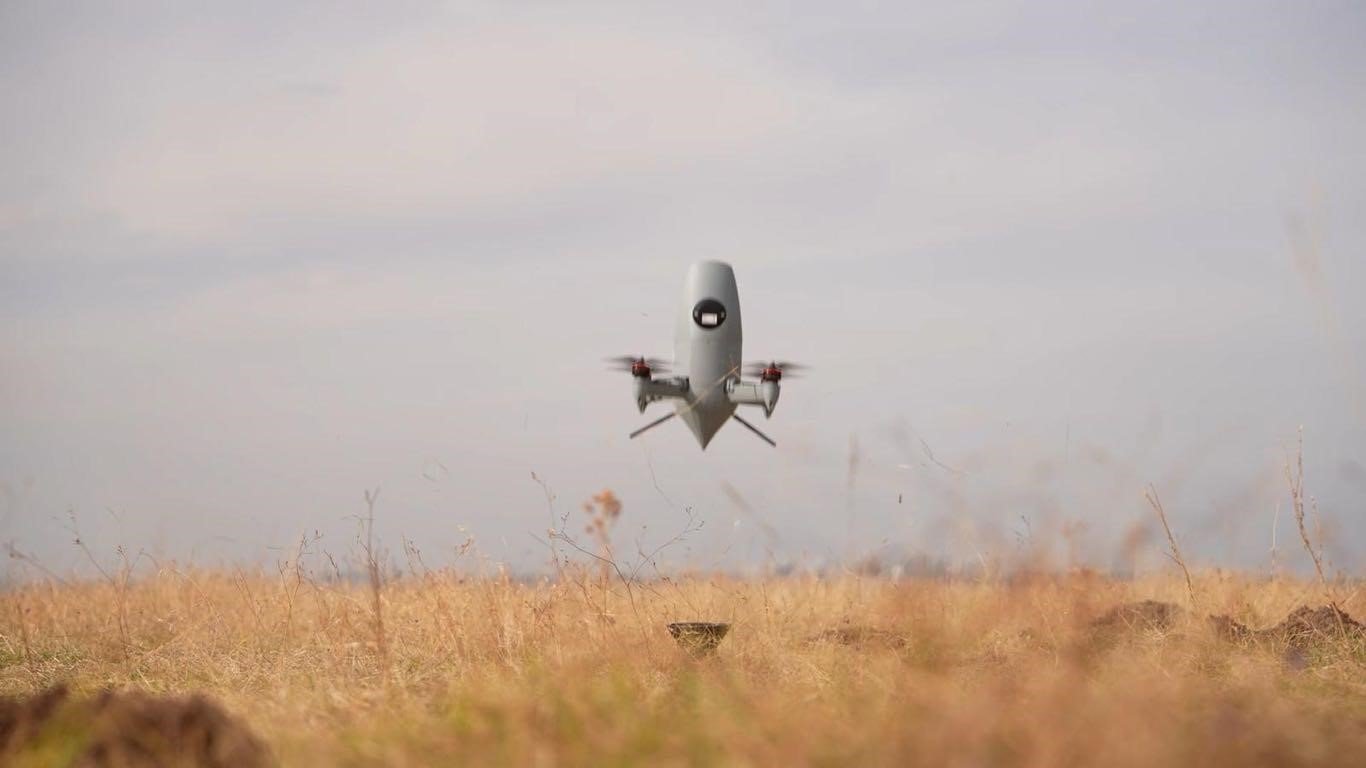
ASELSAN’s GÖKALP E1 struck a target drone after AURA radar detection and DRONEDEF cueing in a demonstration disclosed on 10 October.
A GÖKALP E1 interception destroyed a target drone through direct impact at ASELSAN’s Oğulbey Technology Base in Ankara, the company disclosed on 10 October 2026. ASELSAN described a demonstration but did not give the date on which it took place.
According to ASELSAN, AURA radar detection supplied real-time target information that reached the interceptor through DRONEDEF command-and-control software. The company’s account described detection, the processing of target data and an airborne interception working together within its mobile counter-drone system.
The company’s May 2026 GÖKALP product brochure sets out a system intended to defend military bases and critical infrastructure using radar, electro-optical sensors and interceptor drones. Vehicle-mounted and trailer configurations are offered, with provision for different types of interceptor.
Published guidance and communications features include a data link for mid-course guidance, secure connections between platforms and the ability to operate independently or under higher command-and-control elements. ASELSAN also specifies electrically propelled interceptors, configurations fitted with warheads and proximity sensors, and artificial intelligence supporting detection, classification and engagement.
Those warhead-equipped GÖKALP configurations belong to the broader family description; the October account concerns an E1 striking its target directly. ASELSAN markets the family as a lower-cost option for defending fixed facilities and supporting larger operations, although the brochure provides no interceptor price.
Within the radar family, the AURA 200-G surveillance radar is a multifunction system designed to detect, track and classify small drones and other airborne targets, ASELSAN says. An active electronically scanned array supports simultaneous tracks, with installation options covering vehicles, tripods and elevated positions.
The AURA 200-G integration interfaces support existing command systems, electro-optical equipment and jammers, while a dedicated operator console allows the radar to be operated independently. Because the demonstration announcement identifies AURA without specifying a model, these published specifications do not confirm which radar configuration was used or its detection range during the test.
GÖKALP belongs to the DRONEDEF counter-drone layer of ASELSAN’s Steel Dome architecture, which combines gun, laser and high-power electromagnetic systems. In September, the company presented GÖKBERK laser equipment, KORKUT 100/25 SB guns, ŞAHİN and EJDERHA countermeasures within that portfolio.
The company also offers KORKUT 35 mm configurations combining twin cannon, programmable airburst ammunition, radar and electro-optical fire control. Both tracked and wheeled versions are marketed for the protection of units that are stationary or on the move, including mechanized formations.
For shorter-range engagements, the ŞAHİN counter-drone system pairs a remotely controlled 40 mm grenade launcher with programmable ammunition against mini and micro drones. ASELSAN gives ŞAHİN 130/40GL a range of up to 700 metres, using onboard sensor information and cueing from external radar.
Industrial cooperation includes a VIC TEC letter of intent signed at Eurosatory in June for detectors and effectors. ASELSAN said it intended to develop Latvia’s counter-drone capabilities with the Latvian business, which manufactures interceptor drones and unmanned surface vessels.
Eurosatory also saw a separate Daimler Truck cooperation memorandum for integrating ASELSAN air defence and electronic warfare payloads onto Mercedes-Benz trucks. ASELSAN said the arrangement included joint marketing and support from Koluman, the Turkish vehicle specialist involved in the cooperation.
