

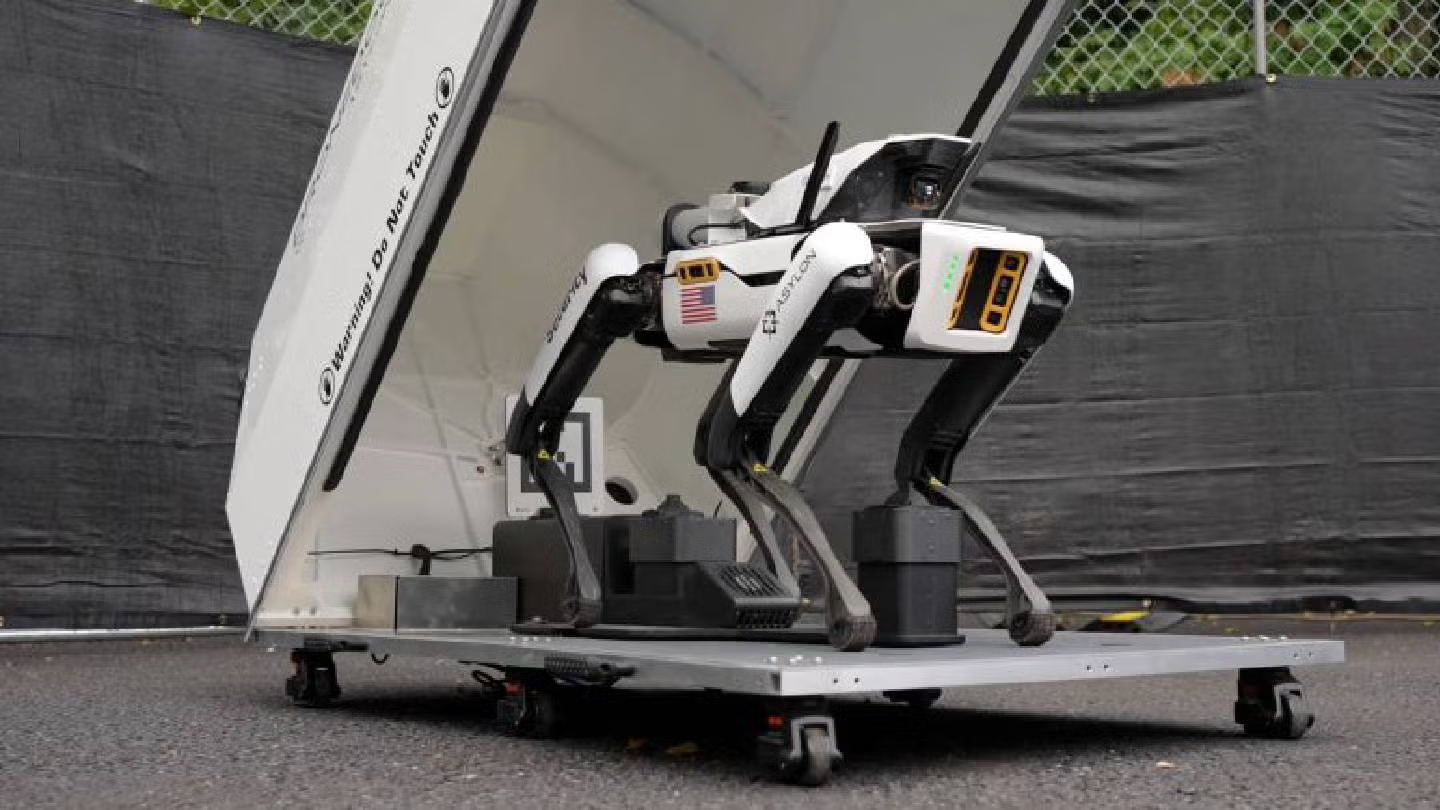
Asylon has received a Phase Three contract from the Warner Robins Air Logistics Complex (WR-ALC) to further develop, integrate, and demonstrate its Multi-modal Autonomous Robotics for Inspection of Aircraft (MARIA) system at the site.
This agreement aims to introduce autonomous, repeatable, and unattended general visual inspection capabilities to the airframes of US Department of the Air Force (DAF).

Discover B2B Marketing That Performs
Combine business intelligence and editorial excellence to reach engaged professionals across 36 leading media platforms.
The contract will see Asylon deploy its air and ground robotic platforms, Guardian sUAS and DroneDog Q-UGV at WR-ALC, alongside the company’s Range autonomy software and DroneIQ platform for command, control, and data visualisation.
The MARIA system is expected to enable coordinated autonomous aircraft inspections, providing outcome data to maintenance personnel via an integrated operational interface.
Asylon’s project is intended to support the Air Force’s objective of modernising and expediting aircraft sustainment activities.
The use of complementary autonomous technologies is expected to reduce manual workload, address labour constraints, and mitigate safety risks linked to physical inspections.
Through the DroneIQ system, aircraft maintainers at the Air Logistics Complex will have access to imagery, LIDAR and point-cloud data, telemetry, and other metadata, which will be delivered through both 2D and 3D workflows designed to streamline the review process.
This latest award strengthens Asylon’s relationship with the Air Force and constitutes a primary field deployment for the MARIA system within a major sustainment facility.
The deployment is intended to demonstrate the technology’s potential for wider application in both defence and aircraft sustainment scenarios.
Asylon government senior vice president Anthony McCarty said: “We are honoured to continue our partnership with the Warner Robins Air Logistics Complex on the MARIA system.
“This award reflects the Air Force’s confidence in our autonomous air and ground robotics platforms, already deployed in active security operations, and their trust in us to extend that capability into aircraft inspections that are faster, safer, and more consistent.”

