

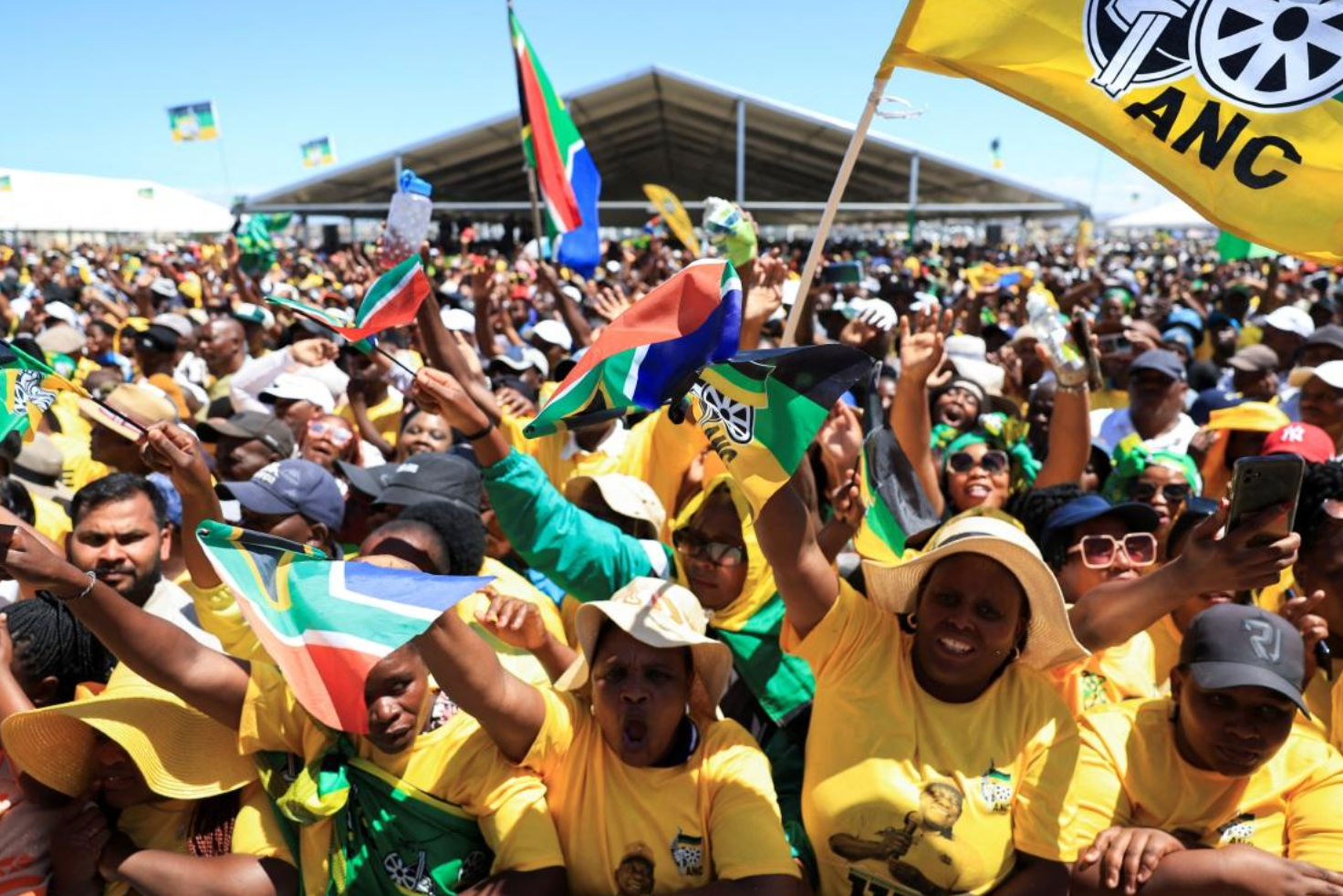
South Africa’s political parties are in coalition horse-trading to run some of the continent’s richest cities after local elections delivered a “catastrophic” slide for the African National Congress (ANC).
The former party of Nelson Mandela saw its vote share drop to just below 31 per cent, down from 40.2 per cent in national elections only two years ago and 45.6 per cent in local elections in 2021.
The fallout from the ANC’s defeat is expected to shape the political landscape ahead of the 2029 general election and overshadow the contest to find a new party leader when President Cyril Ramaphosa finishes his term next year.
Collapsing ANC support and the rise of new parties fragmented the vote, leaving 138 of the country’s 213 councils hanging in the balance.
Hung metropolitan councils cover some of the country’s largest cities, including Johannesburg, Durban and Pretoria.
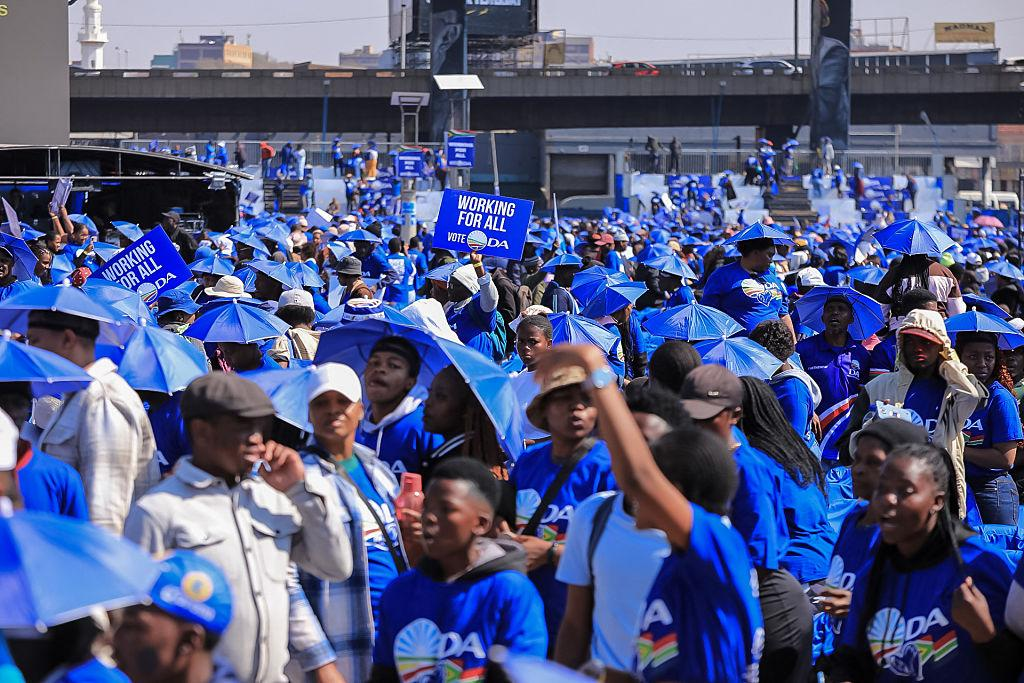
The opposition Democratic Alliance (DA), meanwhile, took 24.6 per cent of the vote overall, securing outright control of Cape Town and finishing first in a hung Johannesburg.
The DA is often accused of representing white interests and has struggled in the past to attract black voters, but said it had this time won more than a million black votes.
However, most of the ANC’s losses were swept up not by the DA but by the new MK party of disgraced former president Jacob Zuma, with ActionSA and smaller parties also making gains.
The ANC’s defeat has reportedly left party chiefs torn between attempting to recreate their uneasy national unity coalition with the DA at a local level or forging new alliances with rival parties.
Campaigning was dominated by poor public services, including failing water supplies, sewerage, rubbish collection and road repairs.
Fikile Mbalula, the ANC general secretary, has conceded that the result was “catastrophic” for the party.
Thabo Mbeki, a former ANC president, appeared to suggest Mr Ramaphosa and senior party chiefs should go.
“How do you continue to lead if you are responsible for a catastrophe?” he said soon after the vote.
The ANC has led a sometimes fractious government of national unity with the DA since 2024, and recreating that agreement would be one option for running city and town halls.
However, after two years of disputes, there has been a significant internal ANC backlash against working with the DA, and the party has said teaming up at the local level would be a “last resort”.
“A [broad, national] coalition with the DA was overwhelmingly rejected,” an ANC source told the Daily Maverick newspaper.
ANC members are said to have been angered by DA opposition to affirmative action policies and by the DA blocking the budget in 2025.
Many in the party are instead reported to favour a tactical strategy, working with ActionSA, the Economic Freedom Fighters (EFF) and others in Gauteng province to take control of Johannesburg and Pretoria, and with the MK party in KwaZulu-Natal.
