

Delhi-based VEDA Aeronautics is preparing to bid for the Indian Army’s newly approved jet-based kamikaze drone procurement program, a critical component of the ₹52,000 crore defence modernisation package cleared by the Defence Acquisition Council.
This move positions VEDA as a leading contender in India’s push for indigenous, high-speed loitering munitions designed for precision strike and swarm warfare.
VEDA Aeronautics, a defence start-up headquartered in Delhi, has already established credibility through its delivery of the Sureshastra MK-1 jet-powered swarm drones to the Indian Air Force.
These drones, developed under the Mehar Baba Swarm Drone program, are designed for long-range precision strikes and swarm coordination, capable of overwhelming hostile air defence systems.
The company’s proven expertise in jet-powered loitering munitions makes its entry into the Army’s procurement program a natural progression.
The Defence Acquisition Council recently approved capital acquisitions worth ₹52,000 crore, including jet-based kamikaze drones, anti-UAV electronic warfare systems, medium-range surface-to-air missiles, and active protection systems for tanks.
The inclusion of kamikaze drones signals India’s strategic shift towards offensive drone warfare, where expendable unmanned systems can deliver precision strikes while reducing risks to soldiers. These drones act as loitering munitions, hovering over target areas before striking with high accuracy, making them indispensable in modern asymmetric warfare.
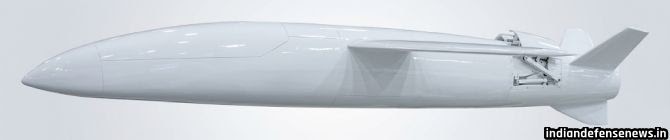
VEDA’s Sureshastra Mk1 platform is particularly relevant to this program. Measuring 3.5 metres in length with a wingspan of 3 metres, it carries a 30–40 kg high-explosive warhead and cruises at speeds of 350–400 km/h.
With a strike range exceeding 500 kilometres, it is capable of engaging high-value targets such as enemy airfields, radar installations, and command centres. Its low-observable V-tail design reduces radar visibility, while its ability to operate in GPS-denied environments ensures resilience against electronic warfare.
A defining feature of the Sureshastra MK-1 is its swarm capability. More than 20 drones can coordinate simultaneously, exchanging targeting data in real time and executing synchronised attacks. This swarm intelligence allows saturation of enemy defences, a capability highly sought by the Indian Army as it prepares for future battlefields dominated by unmanned systems.
VEDA is also working on canister-launched variants tailored for Army platforms such as BMP infantry fighting vehicles, expanding operational flexibility.
The procurement program reflects India’s urgent requirement to strengthen its deterrence posture amidst evolving regional threats. Jet-based kamikaze drones offer the Army enhanced lethality, survivability, and cost-effectiveness. By sourcing these systems domestically, India reduces reliance on foreign imports and reinforces its Aatmanirbhar Bharat initiative, ensuring strategic autonomy in critical defence technologies.
VEDA Aeronautics’ bid is expected to be highly competitive, given its track record of innovation and successful collaboration with the Indian Air Force. Its participation underscores the growing role of private-sector defence firms in India’s military modernisation, marking a shift from traditional reliance on state-owned enterprises.
If successful, VEDA’s induction into the Army’s arsenal would represent a major milestone in India’s indigenous drone warfare capability.
The upcoming procurement program is not just about acquiring hardware but about shaping India’s future combat doctrine. Jet-based Kamikaze drones will provide the Army with versatile tools for precision strikes, swarm operations, and electronic warfare resilience.
VEDA Aeronautics’ involvement highlights the convergence of indigenous innovation and strategic necessity, positioning India at the forefront of unmanned combat systems in the Indo-Pacific region.
Agencies
