

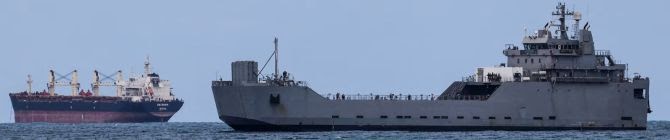
India is preparing to send oil tankers through the Strait of Hormuz for the first time since the Iran conflict began, marking a significant step towards restoring energy flows from the Middle East.
The plans have been finalised and vessels will attempt crossings once the government grants final approval. State‑owned Shipping Corporation of India is ready to resume operations in the Persian Gulf once it receives clearance from the Indian Navy and commercial orders from refiners.
Shipping through Hormuz, which carries nearly one‑fifth of global oil flows, has been virtually halted since late February, causing severe disruptions and price shocks for countries like India, the world’s third‑largest crude importer. The timing and volumes of the shipments remain undisclosed, but the move signals India’s determination to secure energy supplies despite ongoing risks.
Uncertainty persists over whether Iran or the United States, both enforcing separate blockades in and around the strait, have formally agreed to allow Indian ships safe passage. Their cooperation will be critical for the plan’s success.
India’s External Affairs Minister Subrahmanyam Jaishankar recently met his Iranian counterpart Abbas Araghchi in New Delhi during the BRICS summit, where discussions centred on maritime trade and energy security.
Abbas Araghchi assured that Iran remains committed to safe commercial movement through Hormuz, describing Iran as a reliable partner for friendly nations like India.
India’s Navy has doubled the number of warships in the region and stepped up aerial surveillance to monitor the area. Warships are escorting Indian‑flagged vessels and those bound for India once they exit the strait. These measures are designed to mitigate risks from potential attacks or blockades, ensuring safer passage for cargoes.
While some non‑Iranian oil has trickled through Hormuz since the conflict began, flows remain at a fraction of pre‑war levels. Recent reports indicate limited tanker traffic has resumed, with several Very Large Crude Carriers carrying millions of barrels of crude oil exiting the strait en route to Asian destinations. Iran’s Revolutionary Guard Corps also announced that 26 commercial vessels, including oil tankers, were allowed to transit in the past 24 hours, suggesting a partial easing of restrictions.
India’s government has launched a marine insurance initiative to provide uninterrupted coverage for ships and cargoes operating in high‑risk waters, including Hormuz. Elevated war‑risk premiums have increased transportation costs, making insurance support vital for maintaining trade.
Despite diversifying supplies by stepping up purchases from Russia and other sources, India remains heavily reliant on Middle Eastern oil. Russian crude carries the risk of US sanctions, though Washington recently issued a waiver allowing the sale of Russian petroleum products already loaded on tankers.
The energy crisis has strained India’s economy, with surging oil bills and a plunging rupee adding pressure. Prime Minister Narendra Modi has urged citizens to conserve fuel and foreign exchange. The resumption of tanker transits through Hormuz is expected to provide some relief, though risks remain high amid continuing geopolitical tensions.
India’s decision underscores the strategic importance of the Strait of Hormuz and highlights the country’s balancing act between securing energy supplies and navigating complex regional dynamics. The move may encourage further voyages, but the fragile security environment means every crossing will be closely watched.
Agencies
