

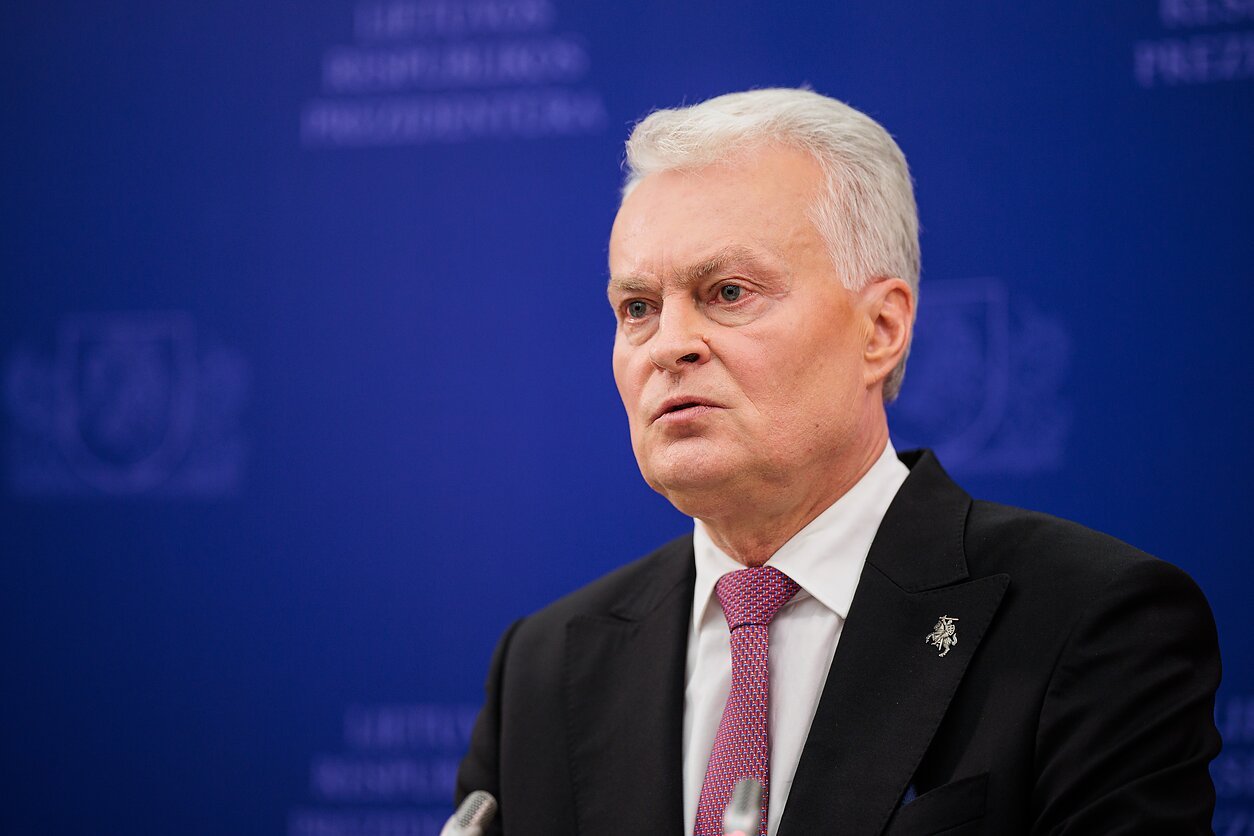
Lithuania could close its border crossings with Russia in response to further acts of sabotage, its president has warned as concern grows over attacks targeting the Baltic region’s defence industry.
President Gitanas Nausėda’s warning follows an attempted arson attack on a drone manufacturer in neighbouring Estonia, which security officials have linked to Moscow’s military intelligence agency, the GRU.
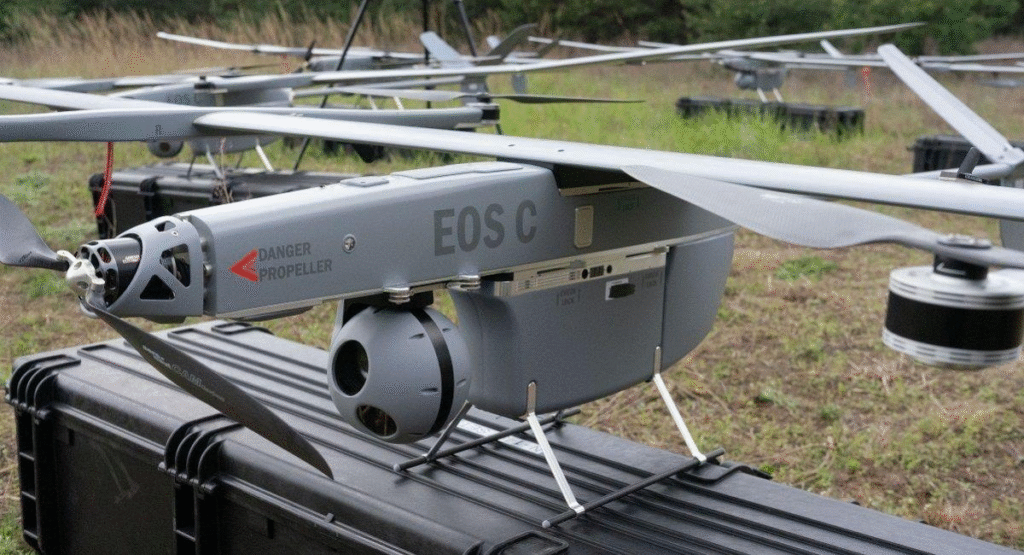
The attack targeted Threod Systems, which produces reconnaissance and attack drones, including equipment supplied to Ukraine. Investigators said the suspects intended to set the company’s premises alight and cause an explosion, but security personnel intervened before substantial damage could be caused.
Eight Latvian nationals have been detained in connection with the operation, which took place in Viimsi, north of Tallinn, in the early hours of November 14.
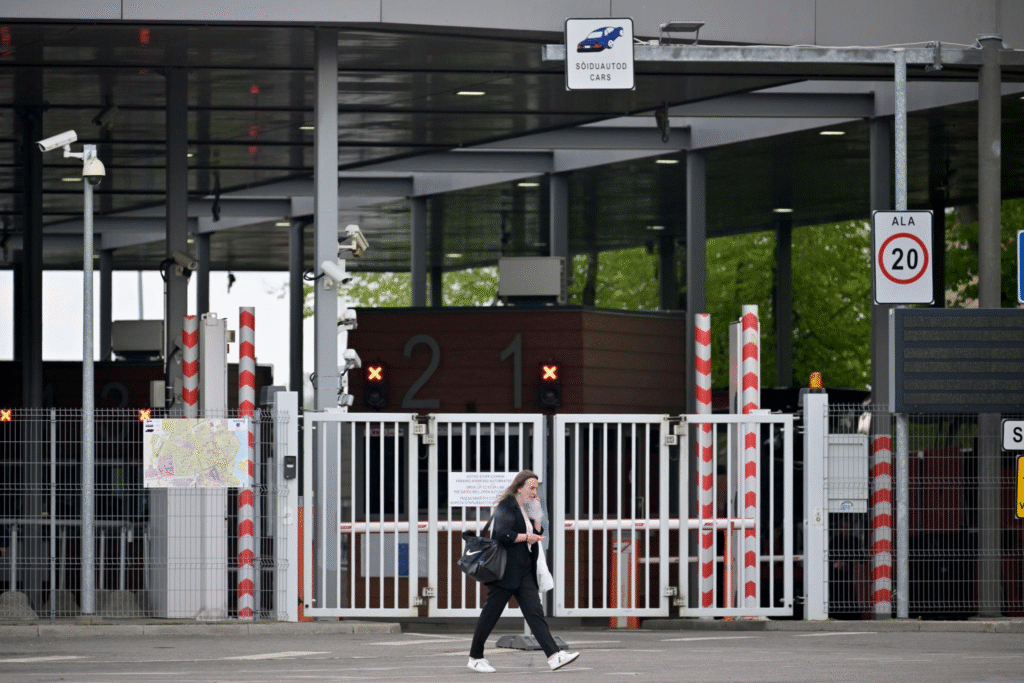
Estonia is now preparing to close its three road crossings with Russia from December 01, a move that could be followed by similar restrictions elsewhere in the Baltic region.
Nausėda has backed the proposed closures but warned that Lithuania would need to consider the consequences for transit to Russia’s Kaliningrad exclave before introducing similar measures.
He said: “Russia does not understand when we fail to respond to its actions. It sees this as a sign of weakness, so if similar incidents occurred, we would certainly consider measures to prevent such actions.”
Estonia’s Internal Security Service has accused the GRU of ordering the attempted attack. The Kremlin has denied the allegation.
Estonian Foreign Minister Margus Tsahkna has discussed the proposed border closure with ministers from Finland, Latvia and Lithuania.
Estonia’s Foreign Ministry also summoned Russia’s chargé d’affaires on Monday to protest the attempted attack.
Tsahkna said: “Through various acts of sabotage, Russia seeks to spread fear, divide our societies and divert attention away from supporting Ukraine.”
Emily Ferris, senior associate fellow at the Royal United Services Institute (RUSI), told National Security News that the attempted attack follows a wider pattern of Russian sabotage targeting European defence manufacturers.
She said the apparent recruitment of Latvian nationals was particularly significant, drawing comparisons with an earlier sabotage attack in Leipzig involving a Latvian citizen.
Ferris said: “This suggests a number of things – firstly that Russia might be increasingly recruiting willing agents from a pool in Latvia that it suspects are likely to support its cause, or at least not be adverse to carrying it out.”
The arrests do not necessarily mean the operation failed to achieve its wider purpose, Ferris warned. Even unsuccessful attacks can demonstrate the reach of Russian intelligence networks and their willingness to target European defence industries.
Ferris said: “These operations do not necessarily have to succeed for them to demonstrate the GRU’s reach into Europe, their specific targeting of EU citizens, and their willingness to continue these aggressive acts even as political negotiations over Ukraine ostensibly continue.”
Estonian investigators said the attempted attack took place at approximately 3:06am on November 14 at Threod Systems’ premises in Viimsi.
Latvia’s State Security Service confirmed that officers had passed intelligence about a possible sabotage operation to Estonian authorities on November 13 and 14, helping prevent the attack.
Latvian investigators subsequently searched nine locations linked to the suspects, seizing explosive devices, pyrotechnic materials, ammunition, mobile phones and electronic storage equipment.
Estonian Prosecutor General Astrid Asi said investigators were examining the suspects’ roles and the alleged involvement of a foreign intelligence service.
Latvia’s State Security Service said intelligence gathered during 2026 indicates that Russian agencies are increasingly recruiting foreign nationals to carry out sabotage attacks across Europe.
Margo Palloson, director general of Estonia’s Internal Security Service, told public broadcaster ERR on Monday that approximately ten defence manufacturers in the country were being targeted by Russian intelligence.
Palloson said: “We know that Russia is currently targeting around 10 defence industry companies in Estonia. We knew quite a bit about this in advance.”
The agency had received intelligence about the Threod operation before the attempted attack and has been working with defence manufacturers to strengthen security.
Another Estonian defence manufacturer, Milrem Robotics, which develops unmanned ground vehicles, has previously been targeted in a suspected arson attack.
The involvement of Latvian nationals also raises questions about the effectiveness of closing crossings with Russia.
Both Estonia and Latvia belong to the Schengen area, allowing people to travel between the countries without routine internal border checks.
Closing Estonia’s crossings with Russia would therefore not prevent individuals already inside the European Union from entering the country.
Ferris questioned whether the border restrictions would substantially impede Russian intelligence operations involving foreign nationals.
Ferris said: “While symbolically significant, it may have less of a direct impact on GRU operations in Europe, as their increasing use of third party proxies with foreign passports that can take advantage of the free movement across borders in
Europe makes it much more of a challenge to identify and pre-emptively disrupt their plans.”
She also noted that rail transfers would remain open, limiting the immediate economic impact of the restrictions while allowing Estonia to consider further measures.
Estonian ministers argue that closing road crossings with Russia would reduce opportunities for intelligence activity.
Prime Minister Kristen Michal described the attempted attack as part of Russia’s “broader hybrid war against Europe”.
Nausėda also described the alleged sabotage as a dangerous escalation, backing Estonia’s response.
He said: “Estonia’s decision is indeed appropriate. Estonia is facing extremely brazen attempts that could simply be described as acts of sabotage. These are essentially kinetic acts that set a very dangerous precedent. This is nothing particularly new in the region, so Estonia’s decision seems entirely understandable to me.”
Kremlin spokesman Dmitry Peskov criticised the proposed closures. He said: “And, of course, a decision such as this to close all checkpoints and border crossings – well, it’s as if Estonia is building a wall. As history shows, many countries have built walls, which have brought nothing good to those who erected them.”
Estonia’s government is preparing to close road crossings at Narva, Koidula and Luhamaa from December 01, although the final arrangements have yet to be confirmed.
Nausėda’s warning raises the prospect of further border restrictions across the Baltic region if similar attacks occur.
