

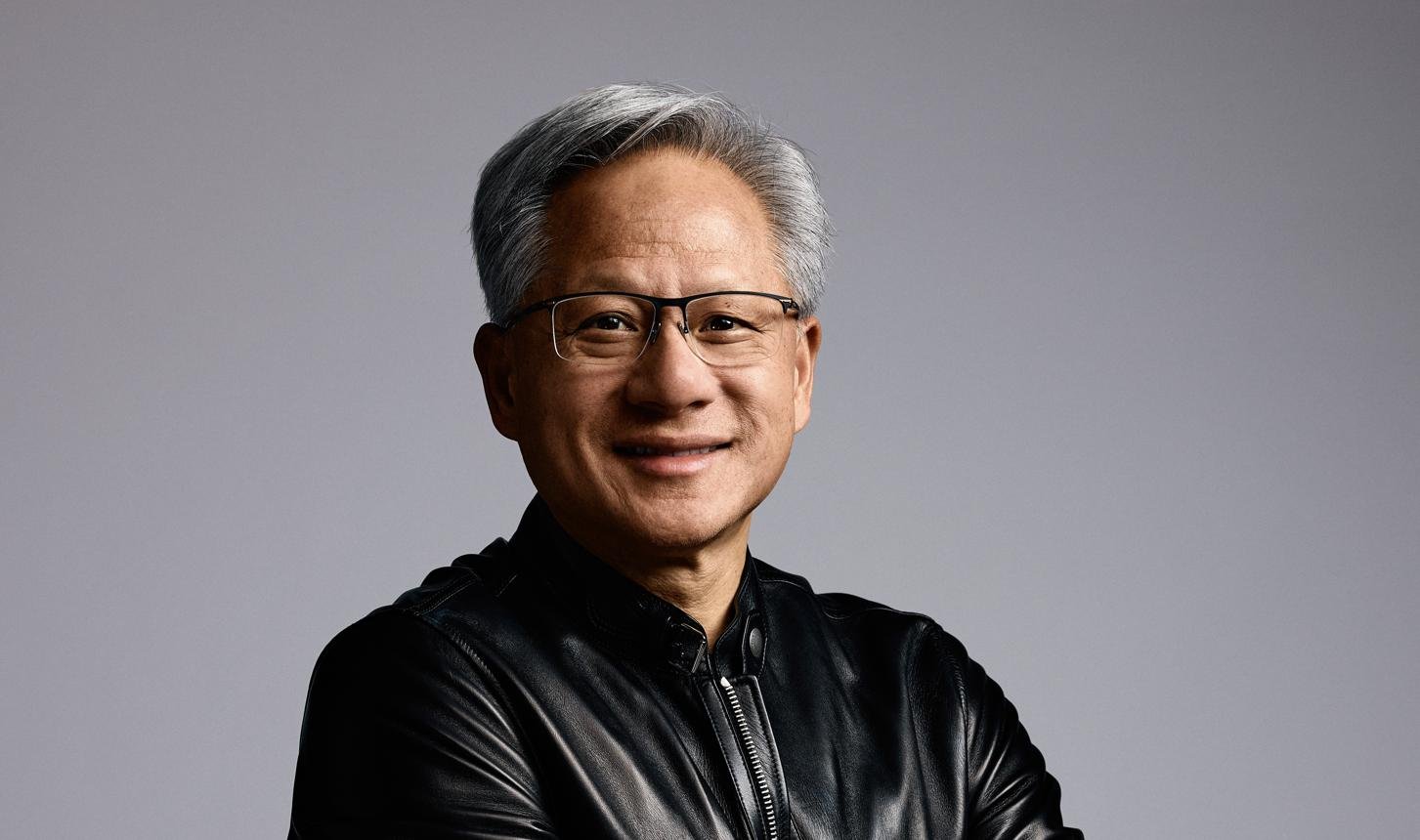
Nvidia chief executive Jensen Huang has resigned after admitting to an affair with a woman suspected of spying for China.
The American chipmaker confirmed on Thursday that Huang, who co-founded Nvidia in 1993, had stepped down as chief executive, president and a board member with immediate effect.
Nvidia shares fell as much as 14 per cent when Wall Street opened, extending losses that have wiped approximately $600 billion (£453 billion) from the company’s market value this week.
Colette Kress, Nvidia’s chief financial officer since 2013, has been appointed interim chief executive. Harvey C. Jones, a former chief executive of semiconductor design company Synopsys, has become Nvidia’s first chairman.
The resignation follows a board meeting on Wednesday after reports emerged of a second alleged affair involving Kimberly Powell, Nvidia’s vice-president of healthcare.
Huang, 63, admitted being unfaithful to his wife in a message to employees on Sunday, following reports of a relationship with Alice Huang, a former executive at Singapore-based technology company Megaspeed whom US intelligence officials reportedly suspected of working for Chinese intelligence.
Huang said: “I was unfaithful to my wife. My actions hurt her and our children. There is no excuse for what I did. I am deeply sorry.”
Megaspeed, which was spun out of a Chinese gaming company, bought Nvidia processors and rented computing capacity to Chinese artificial intelligence companies.
The company has faced US scrutiny over suspicions that restricted American technology was reaching Chinese customers. Megaspeed denies illegally diverting processors to China and says it has cooperated with US authorities.
Nvidia’s board launched an independent investigation on Sunday into whether Huang had been targeted by a foreign intelligence operation. The resignation announcement did not clarify whether the inquiry would continue.
In its announcement, Nvidia said: “Jensen’s contributions to NVIDIA are profound. NVIDIA is one of the most consequential technology companies in the world. The Board and the company thank Jensen for his immeasurable contributions to the company and the industry.”
The board previously said there was no evidence that Nvidia’s confidential information or national security had been compromised. No public finding has established that Huang knowingly assisted a foreign intelligence service.
President Donald Trump confirmed earlier this week that the FBI was examining the allegations.
Trump said: “I know the FBI is looking into it.”
He also said Huang had denied knowing that Alice Huang was allegedly working for Chinese intelligence.
The case has raised questions about the potential use of so-called honey traps, in which intelligence services exploit personal relationships to obtain sensitive information.
The Chinese government has rejected allegations that its intelligence services targeted Nvidia.
The controversy has intensified scrutiny of US restrictions on advanced semiconductor technology.
Nvidia produces powerful processors used to develop artificial intelligence systems, including technology with military and intelligence applications.
Washington restricts exports of Nvidia’s most advanced processors to China over concerns that the technology could strengthen the People’s Liberation Army and Chinese intelligence services.
Chinese companies can, however, access some American computing power by renting capacity at overseas data centres, even when the processors never enter China.
Reuters reported on Thursday that Chinese AI companies were seeking additional Nvidia-powered computing capacity abroad amid concerns about tighter US restrictions on remote access.
The developments could accelerate congressional efforts to tighten export controls and strengthen oversight of American technology accessed through overseas data centres.
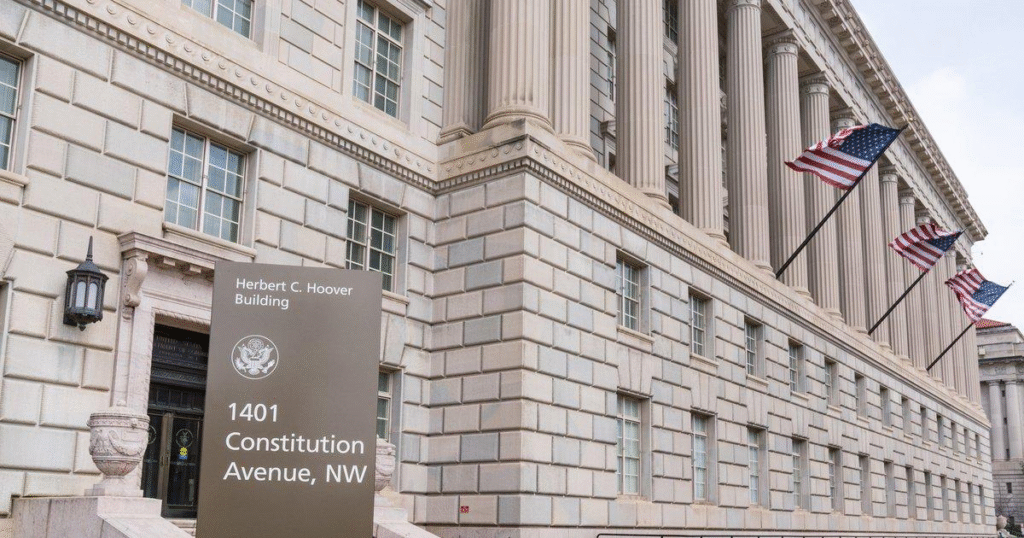
According to Investors’ Chronicle, Ed Mills, an analyst at Raymond James, said the controversy had “materially increased the odds of enhanced tech controls”.
Further measures could require overseas data-centre operators to identify the ultimate users of restricted processors, rather than only the initial purchasers.
The case could also affect discussions between Trump and Chinese President Xi Jinping at next week’s Asia-Pacific Economic Cooperation (APEC) summit.
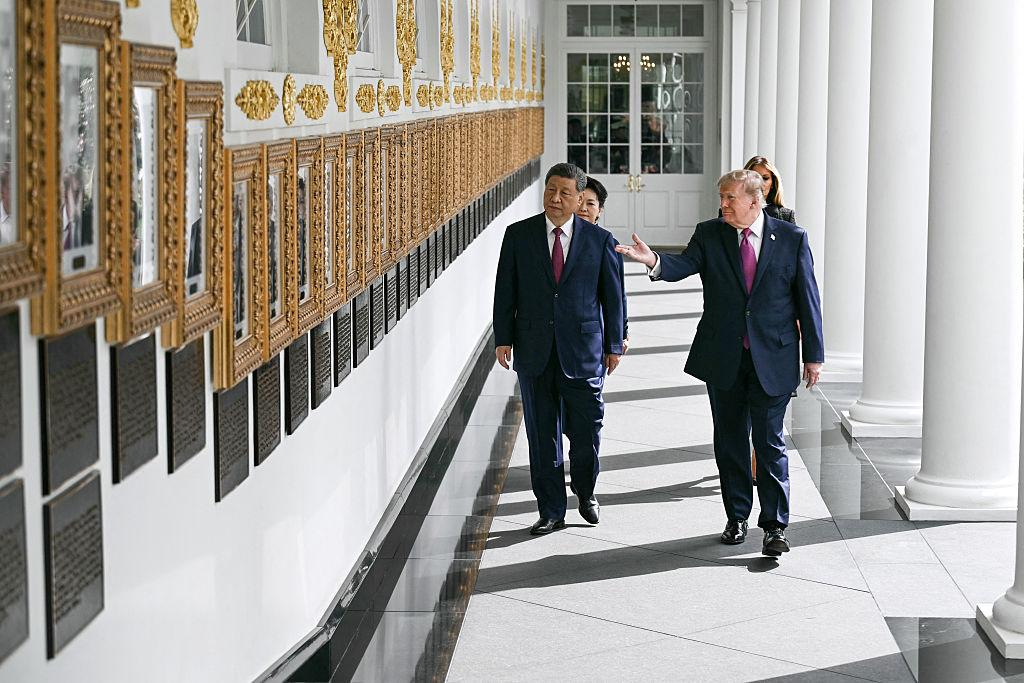
US Trade Representative Jamieson Greer said in September that negotiators had taken export controls “off the table” as a “national security issue”, indicating that sensitive technology restrictions were being treated separately from broader trade negotiations.
Kress, who previously held senior financial positions at Cisco and Microsoft, will oversee Nvidia while directors consider candidates for a permanent successor. She will remain chief financial officer.
Following her appointment, Kress said: “We will continue advancing the work that has made NVIDIA a leader in accelerated computing and AI, and execute on the opportunities ahead. Our focus remains on serving our customers, partners, developers and shareholders.”
Huang’s departure leaves Nvidia facing an unresolved security inquiry as Washington considers further restrictions on overseas access to advanced American AI technology.
