

Two leaders have been tapped by the Office of the Director of National Intelligence to coordinate spy agencies’ efforts to track and thwart threats to the 2026 midterm elections, according to a congressional source and a second person familiar with the matter.
Dave Mastro serves on the National Intelligence Council, which uses intelligence-community findings to produce intelligence assessments, including for Congress and senior policymakers. James Cangialosi serves as deputy director of the National Counterintelligence and Security Center.
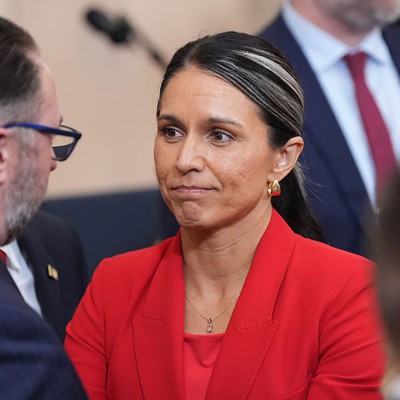
Mastro and Cangialosi are part of “an expansive team of professionals at ODNI focused on carrying out President [Donald] Trump’s and [Director of National Intelligence Tulsi] Gabbard’s election integrity efforts,” ODNI spokesperson Olivia Coleman said in a statement.
The office is also “providing robust briefings, on par with efforts traditionally carried out during election years, to protect election integrity this midterm cycle,” Coleman said.
It had been unclear for months whether ODNI had named election-threats executives. Both sources requested anonymity to communicate the appointments.
The Record first reported the appointments.
The Foreign Malign Influence Center was established in 2022 to coordinate spy agencies’ efforts to identify and assess foreign influence and disinformation threats against elections. But ODNI argued that the FMIC raised constitutional concerns about coordination with social media companies. Last summer, an ODNI reorganization shifted many of the center’s responsibilities to the National Counterintelligence and Security Center and the National Intelligence Council
The election-threats executive—created in 2019, during Trump’s first term—typically oversees an “Experts Group” that analyzes intelligence on foreign interference efforts.
Election threats can include cyberattacks on voting systems, foreign influence operations, and disinformation campaigns aimed at undermining public trust in elections.
Gabbard has faced criticism over her involvement in the White House’s broader review of election-security outcomes, including scrutiny from Democrats tied to her presence during an FBI raid on a Georgia election office and ODNI-led examinations of voting machines in Puerto Rico.
For the first time in nearly a decade, this year’s annual intelligence assessment of worldwide threats to the U.S. did not mention foreign threats to elections.
Trump has continued to falsely claim the 2020 election was stolen from him.
The appointments also come amid broader changes to the federal government’s election-security apparatus ahead of the 2026 midterms. In recent months, Democrats and state election officials have raised concerns about cuts to election-focused programs at the Cybersecurity and Infrastructure Security Agency, which has lost around a third of its workforce in the last year.
