

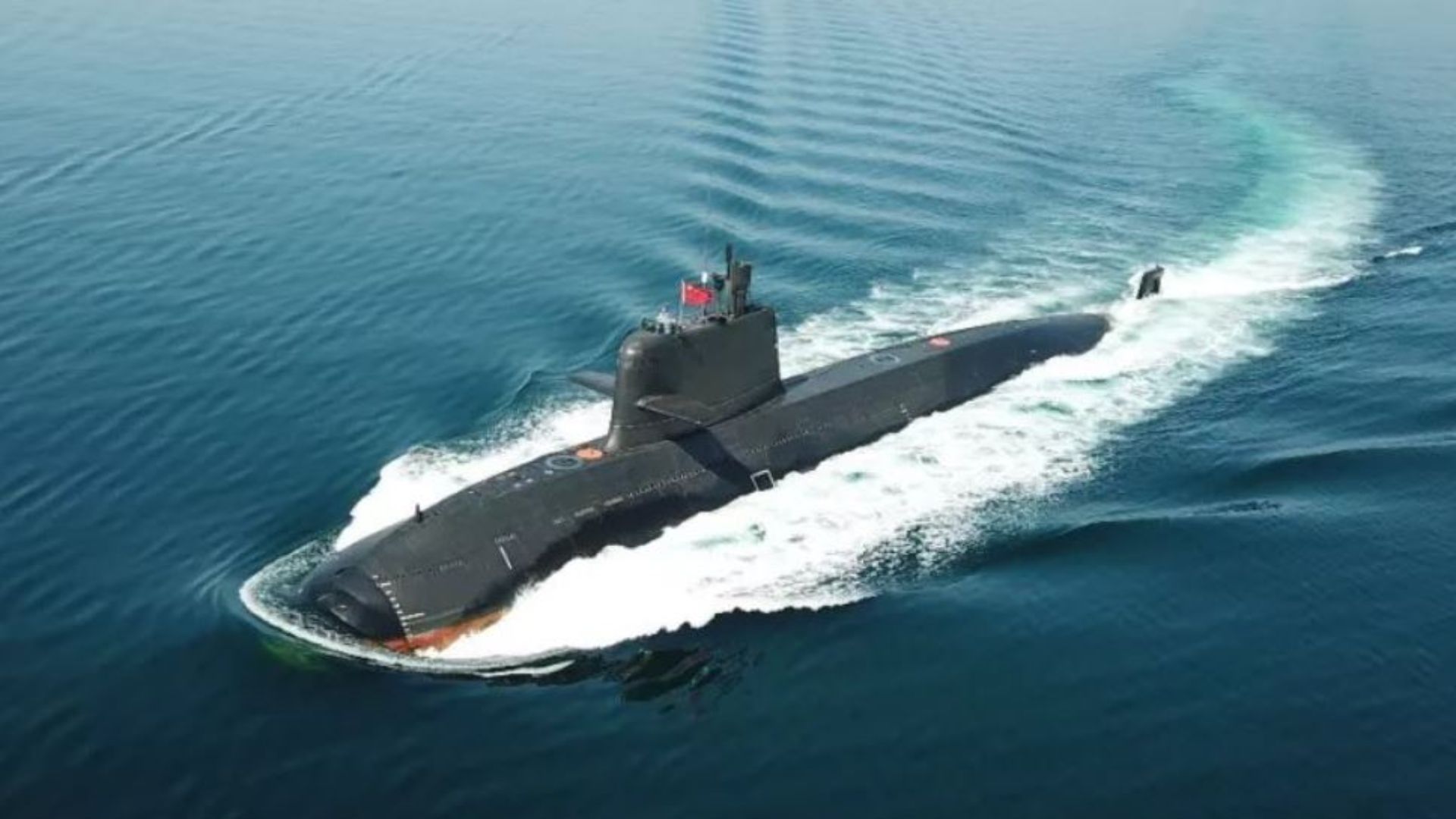
According to a May 2026 investigation by Drop Site News, Pakistan reportedly asked China for assistance in acquiring a nuclear second-strike capability during bilateral talks over a potential Chinese military base at Gwadar. China declined the request, citing its own non-proliferation commitments and the strategic risk such a transfer would pose to Beijing.
The claim – which, to be clear, has not been officially confirmed by either government – does align with a trail of open-source evidence spanning about a decade.
From the 2017 test of the Babur-3 submarine-launched cruise missile (SLCM) to on-the-record remarks by retired Pakistan Navy (PN) officials in 2024, the trajectory has been evident for some time.
Moreover, with the advent of the Babur-3 SLCM, Pakistan technically had established a sea-based nuclear capability, but as what PN officials would term it, a ‘hybrid solution’ – i.e., where conventional platforms would deploy nuclear warheads.
However, upon further investigation, one will find that the PN may have walked back on the so-called ‘hybrid model’ and, in its place, opted to clearly demarcate between dedicated nuclear deterrence and conventional programs. In other words, any genuine sea-based nuclear attack capability would solely come from a nuclear-powered platform, while conventional platforms – including the new Hangor-class submarines – will exclusively stick to anti-ship warfare (AShW) and anti-submarine warfare (ASW).
