

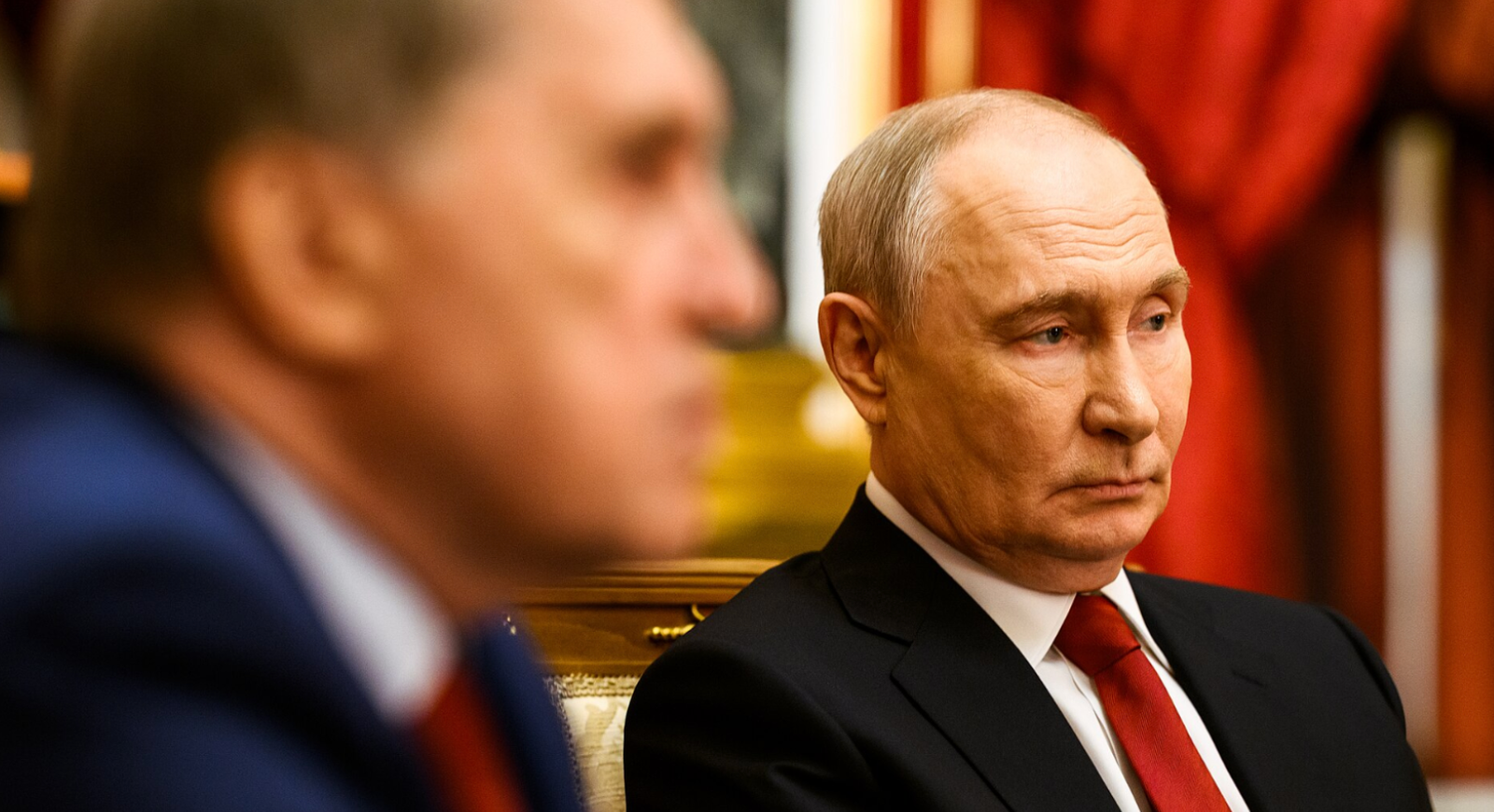
Russian President Vladimir Putin has rejected the deployment of foreign troops in Ukraine as part of a peace agreement during talks with US envoys at the Kremlin on Thursday.
Putin reiterated Moscow’s longstanding opposition to European troops being stationed in Ukraine following a ceasefire, despite saying he wanted a lasting settlement to the war.
According to Russian state media, Putin said: “Russia has consistently opposed the presence of foreign troops in Ukraine. Any foreign forces deployed there will be considered legitimate targets for the Russian Armed Forces.”
The warning presents an obstacle to proposals by European governments to deploy troops to deter further Russian attacks. Ukraine wants security guarantees from its allies as part of any agreement to end the fighting.
Steve Witkoff and Jared Kushner, envoys of US President Donald Trump, met Putin following two days of American-mediated negotiations between Russian and Ukrainian officials in Abu Dhabi.
The talks produced an agreement in principle on a major prisoner exchange but no breakthrough over territory, which remains a central obstacle to ending the war.
Putin told the American delegation that Moscow wanted a lasting peace and thanked Trump for facilitating negotiations between Russia and Ukraine.
He also proposed a humanitarian mission in Kostiantynivka, a strategically important city in the eastern Donetsk region, claiming Russian forces had taken control of the area.
According to Russia’s state news agency TASS, Putin said Moscow would guarantee the mission’s safety but would need five days to clear mines. He suggested Ukrainian forces should provide security if Kyiv maintained that the city was still under its control.
Putin’s claim has not been independently verified. According to Kyiv Post sources, Ukrainian troops are still present in Kostiantynivka, although the extent of Russian control is unclear.
Dmytro Lytvyn, an adviser to Ukrainian President Volodymyr Zelensky, questioned the proposal, accusing Russian forces of previously using a humanitarian operation in occupied Kherson to move military equipment.
Lytvyn said: “Given that they brought in military equipment and rotated troops in Oleshky under the guise of a humanitarian operation, it is clear what they are aiming to do in Kostiantynivka. However, all the details need to be clarified.”
Despite the continuing disagreements, Zelensky has suggested that a peace agreement could be reached before the end of the year.
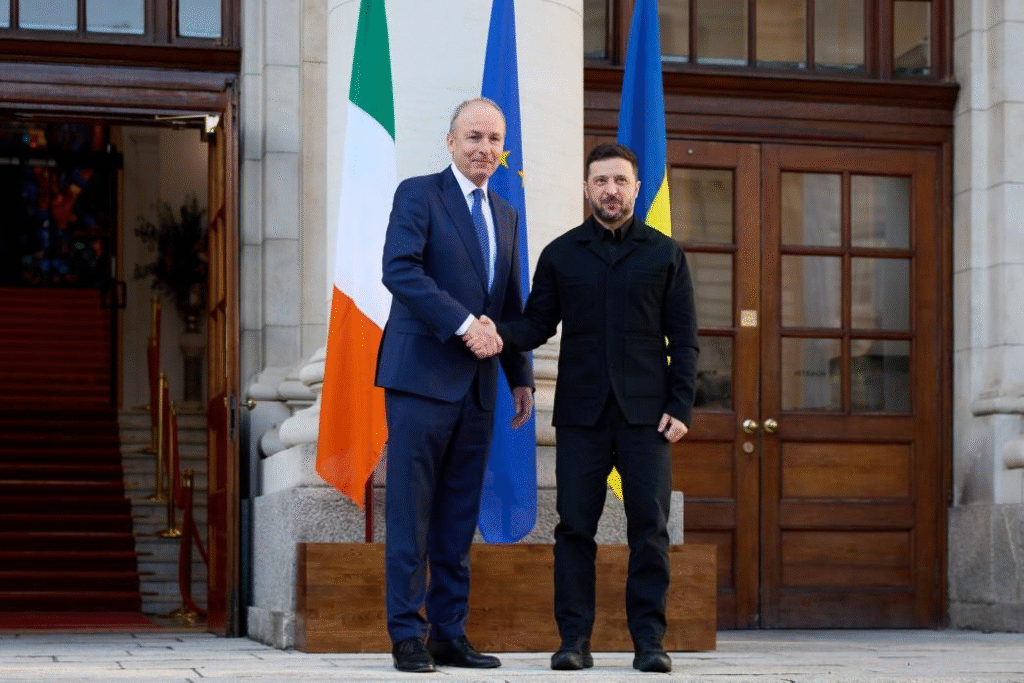
Speaking in Dublin on Wednesday, Zelensky said: “Today there really is this opportunity, this window of opportunity, when all those participants who are now engaged in the negotiation process genuinely want to achieve a result before 2027.”
Russia continues to demand control of the whole Donbas region in eastern Ukraine, including territory that remains under Ukrainian control.
Zelensky has rejected withdrawing Ukrainian forces from those areas, arguing that Ukraine cannot surrender its territory as a condition for peace.
Vladimir Medinsky, who led Russia’s delegation in Abu Dhabi, reiterated Moscow’s territorial demands following the negotiations.
Medinsky said: “Every inch of our land will be returned to Russia. One way or another.”
However, David Arakhamia, a senior member of Zelensky’s ruling party who participated in the talks, said negotiators had made progress.
Arakhamia said: “We have made truly significant progress … I believe we have good momentum to reach a solution before the new year.”
The proposed prisoner exchange was the clearest result of the negotiations, although the final numbers and timetable have yet to be confirmed.
Witkoff described the agreement as evidence of progress towards a settlement and said he would brief Zelensky on the outcome of Thursday’s Kremlin meeting.
Kushner confirmed that Washington had begun discussions with European governments about future security arrangements, including possible guarantees for Ukraine after the war.
Putin said Russia had never rejected dialogue with Europe, blaming European governments for breaking off contacts.
The wider negotiations have also raised questions about NATO’s future role in eastern Europe, with Russian officials seeking changes to the continent’s security arrangements.
Russian Foreign Minister Sergey Lavrov said Putin would determine Moscow’s next negotiating position after receiving reports from the Russian delegation and the American envoys.
Lavrov also indicated that Moscow would continue pursuing the objectives Putin outlined in June 2024, signalling no immediate change in Russia’s negotiating demands.
