

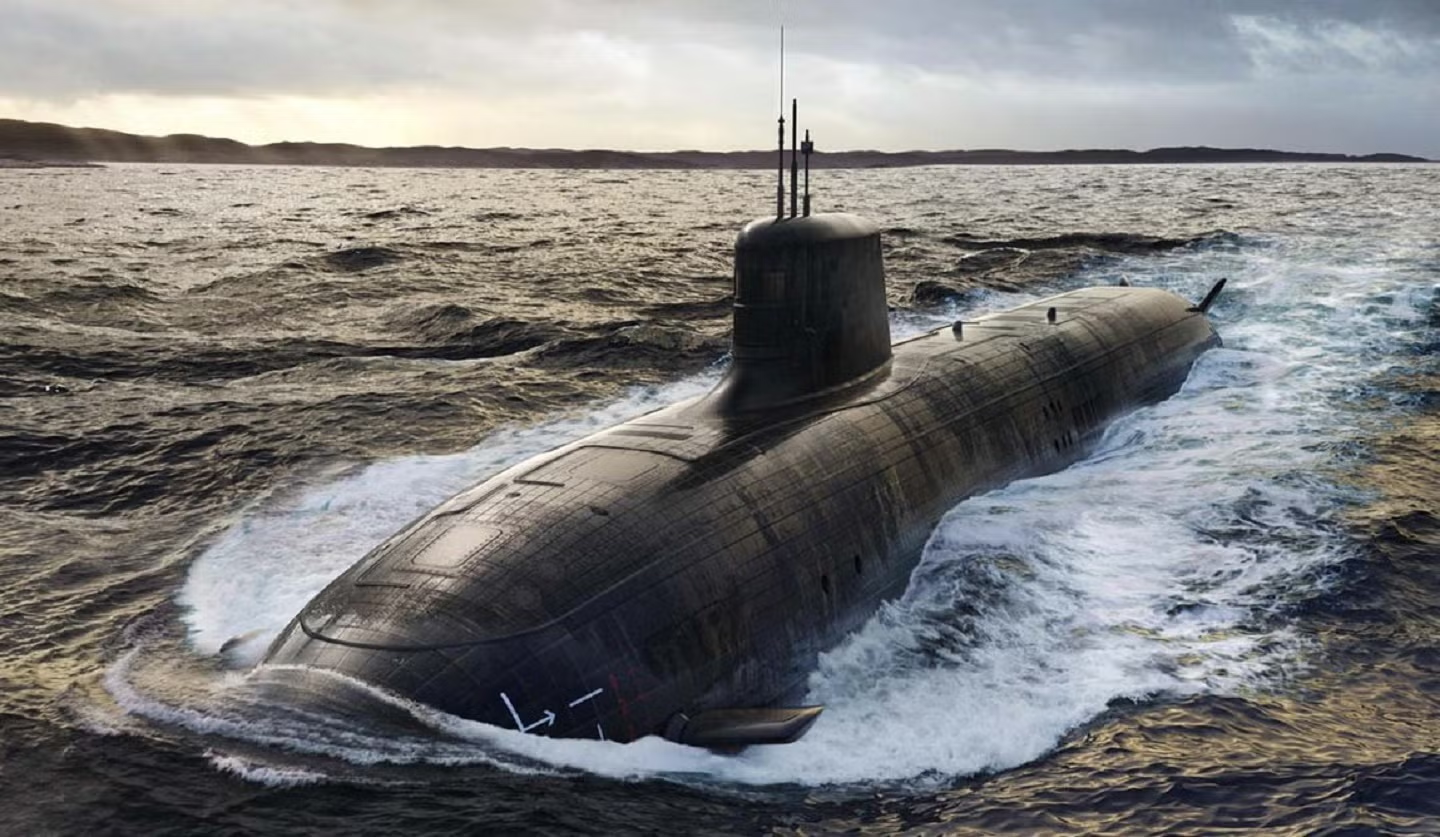
- Rolls-Royce Submarines’ director for future programmes detailed the current and future stages of its reactor production for SSN AUKUS during UDT 2026
- Seven reactors are currently being built in Derby besides the contractor’s completion of a critical design review for the power source
- Likewise, the company has doubled its manufacturing space to meet the “drumbeat” demand from the Australia and the UK
Rolls-Royce has lately made efforts to extend and support the production of the nuclear propulsion capability powering the future nuclear-powered attack submarine, SSN AUKUS.
The trilateral partnership will provide Australia with at least three units while Britain receive 12 boats, supported by continuous production delivering a new submarine every 18 months.

Discover B2B Marketing That Performs
Combine business intelligence and editorial excellence to reach engaged professionals across 36 leading media platforms.
On the margins of the Undersea Defence Technology exhibition in London today, James Lowe, director of future programmes for Rolls-Royce Submarines, detailed the current stage of progress on the contractor’s submarine nuclear reactor PWR3+ and next steps in the programme.
What’s the latest?
There are seven boats in the manufacturing phase at present, wherein the contractor eluded to the inclusion of long-lead items in this process.
These include the main pressure vessels and steam raising components in the reactor which enable nuclear propulsion.
“They’re the most complex parts production-wise,” Lowe told Naval Technology.
Meanwhile, the new threat landscape has prompted a newfound value in submarine production among the thee nations. While the United States concluded its review of the programme in December, calling for the delivery phase to begin, the UK and Australia have expressed a greater demand for boats.
Rolls-Royce Submarines has responded in kind, doubling its manufacturing space in Raynesway, Derby to accommodate national requirements but also, Lowe emphasised, to begin a “drumbeat” production cycle.
Here, Lowe refers to plans to deliver reactors by the mid‑2030s, followed by an effort to reduce this from 18 months to 12‑month intervals into the late 2030s.
To that end, Rolls-Royce has reached its critical design review at the end of 2025. This has created “a very clear” design baseline for the reactor.
“Really, it’s about optimising that product for the benefit of the UK navy and the Royal Australian Navy, and it’s producing at scale,” he emphasised.
Back and forth
Besides SSN AUKUS, the company is also tasked with powering the UK Royal Navy’s forthcoming Dreadnought-class nuclear-powered ballistic missile submarines.
When asked about the challenges of simultaneous production, Lowe described Rolls-Royce’s position as a “positive challenge.”
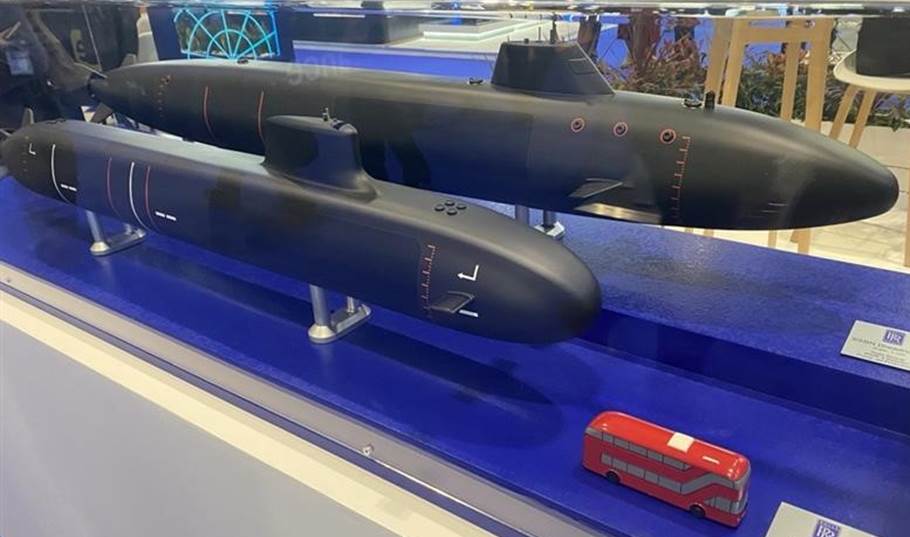
Lowe mentioned that simultaneous production has helped to enhance the PWR3+ reactor used for SSN AUKUS.
Initially, Rolls-Royce had generated a lot of capability in the original PWR3 reactor for Dreadnought, and “we’ve kind of followed on in that vein,” he affirmed.
This iterative process, also known as sprial development, has given the manufacturer the ability to design and produce at scale.
“Our design iterations have become quicker off the back of that as well,” he continued. In the end, the power source features unspecified improvements, or, as Lowe put it, “performance attributes” to meet all of the “war fighting capability requirements” needed for this fast attack submarine.

