

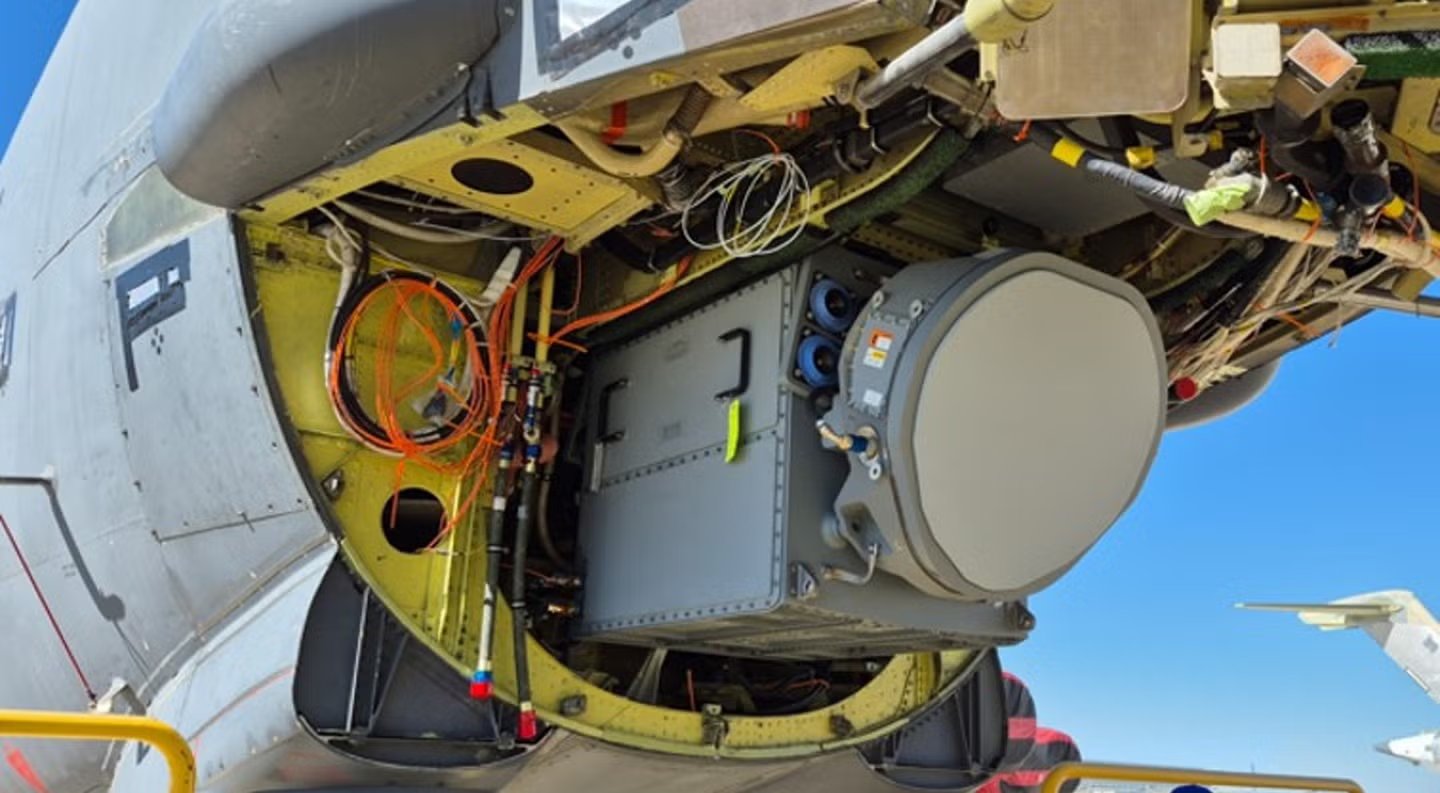
- Raytheon has secured a $603m contract to produce and sustain its new generation AESA radar over the next five years
- The deal will support the life extension of the B-52 Stratofortress fleet into the 2050s
- The radar’s core heritage is derived from the AN/APQ-79 radar used on F/A-18s
RTX business Raytheon has secured a $603m ceiling contract with the US Air Force (USAF) to produce and sustain its new generation AN/APQ-188 active electronically scanned array (AESA) radars for B-52 bomber life extension.
According to data analytics business GlobalData, the USAF have 76 B-52H aircraft in service.

Discover B2B Marketing That Performs
Combine business intelligence and editorial excellence to reach engaged professionals across 36 leading media platforms.
All of the aircraft are commencing extensive upgrades to the engine, radar and digital systems. These changes will help the Cold War aircraft to operate beyond 2050 in a new form, designated the B-52J, which is expected to reach initial operating capability by 2032.
The Radar Modernisation Program (RMP) will see Raytheon replace the mechanical and failing AN/APQ-166 radar with a solid-state electronic beam steering AN/APQ-188 system.
The new radar can track multiple moving air and surface targets simultaneously; it can use the individual transmit/receive modules for electronic warfare; and it leverages a weather mode, replacing vague, green-scale returns with clear, colour-coded imagery that simply differentiates precipitation intensity and types so operators can see where conditions are hazardous.
Signficantly, AN/APQ-188 will also provide high-resolution ground mapping capabilities which will improve target location accuracy and capabilities to track moving surface and air targets.
The contract will conclude in five years time.
RMP timeline
In December 2025, the USAF completed a B-52H ferry flight from Boeing’s San Antonio facility to Edwards Air Force Base following the first installation of the AN/APQ-188 radar.
Data gathered during testing has informed subsequent developmental test phases and the planned retrofit of the 76 operational B‑52 aircraft.
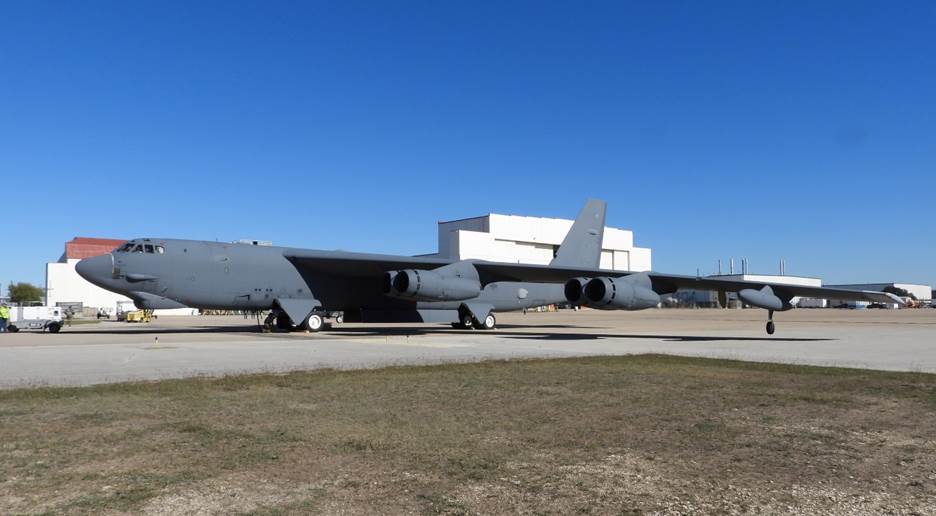
The AESA radar, developed by Raytheon, and integrated into the B-52 by Boeing, follows other successful radar upgrades on USAF F-15s and US Navy F/A-18s, and it is said to bring “a similar level of capability” and maintainability to the enduring Stratofortress, according to the release.
To this end, the radar’s core heritage is derived from the AN/APQ-79 radar used on F/A-18s.

