

By Ben Farmer
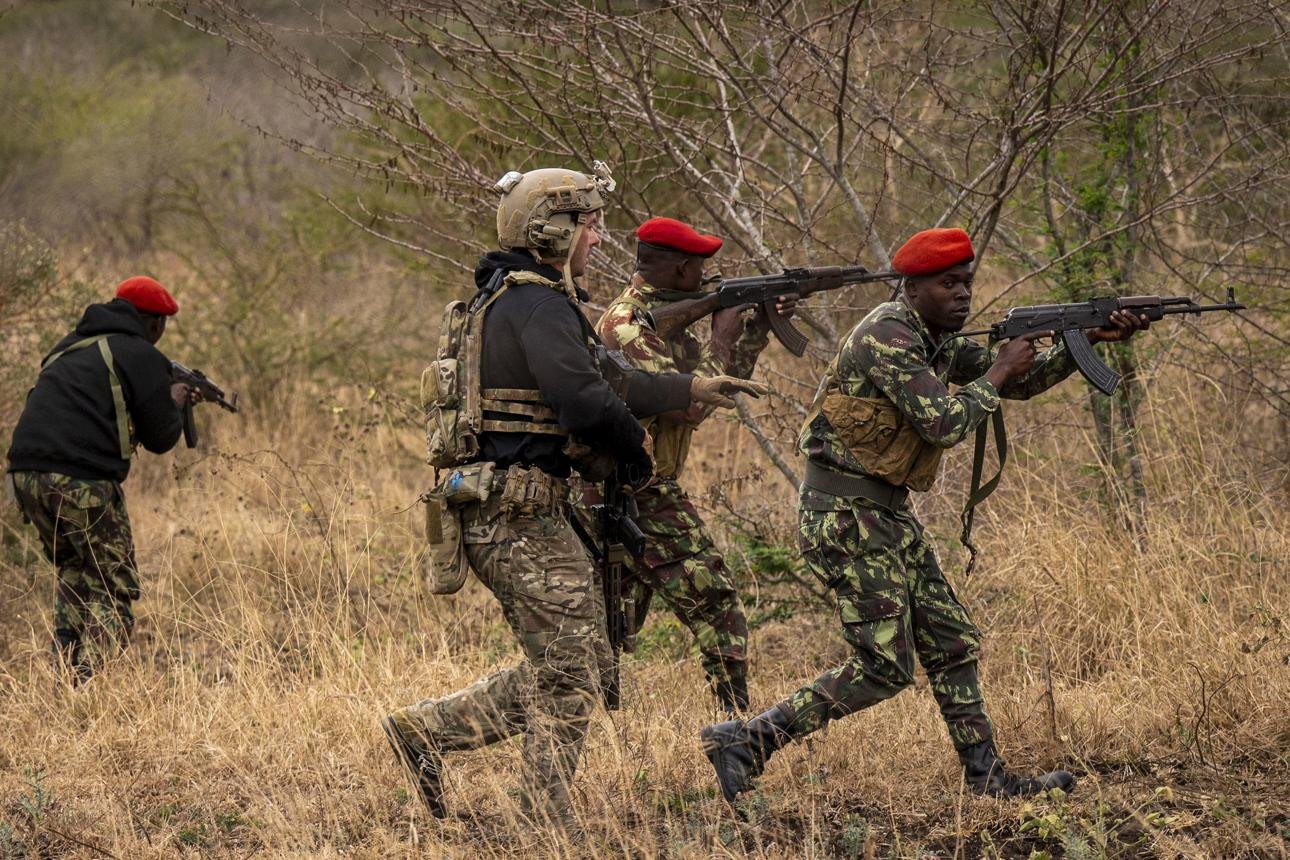
America has begun talks on training Mozambique’s special forces to fight Islamic State insurgents, amid Pentagon concern they pose a threat to shipping off Africa.
The militants in Mozambique’s northern Cabo Delgado province are increasingly using coastal waters for transport and for piracy against local fishermen, and there is thought to be a risk they could threaten merchant vessels further out to sea.
Lt Gen John Brennan, deputy chief of United States Africa Command, met Mozambique’s president and defence minister in talks focusing on counterterrorism, maritime security and how to secure Cabo Delgado’s huge gas fields.
Mozambique’s state media said they had discussed “the training and development of special forces.”
In a media briefing afterwards, Lt Gen Brennan reportedly said: “I think with ISIS-Mozambique in particular, you’re seeing an increase in their maritime capacity. Obviously, the recent piracy actions off the coast have been noted, noteworthy, and I think the partners are adjusting.”
He went on: “With the volume of traffic that goes through the Mozambique Channel, that key terrain is very important to global shipping as well as global commerce.
“We want to make sure it’s protected from predators like ISIS-Mozambique and anyone who would seek to harm global transit of shipping and global trade writ large.”
Cabo Delgado is also vital to Mozambique’s economy as the home of huge offshore natural gas deposits that the country is trying to exploit with the energy giants TotalEnergies and ExxonMobil.
But poor security means TotalEnergies only resumed work on its $20bn Afungi project earlier this year after a five-year hiatus.
The Pentagon’s fears are understood to be shared by commanders of a 6,000-strong Rwandan Defence Force (RDF) deployment helping Maputo secure the province.
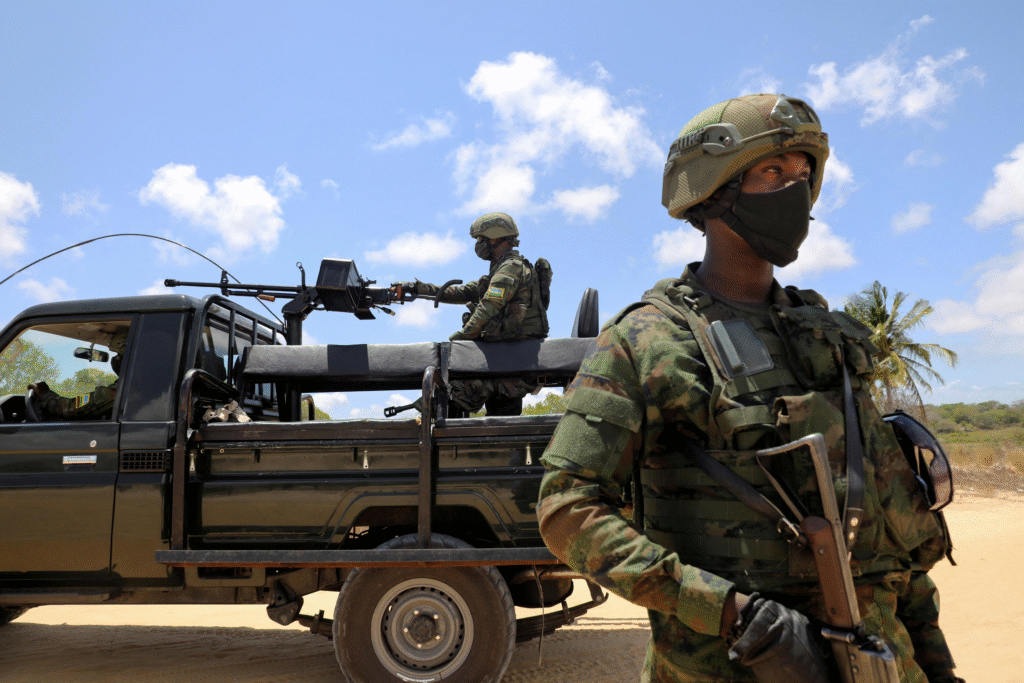
Rwanda is understood to have warned its partners that what began as a small, localised extremist movement has evolved into a significant regional threat.
Without the RDF troops, the Islamic State-affiliated forces could potentially transform northern Mozambique into an extremist safe haven that would threaten the wider Southern African region.
The militants are described as a mixture of local recruits and foreign fighters from neighbouring Tanzania, Somalia and even as far afield as Yemen.
They are largely concentrated in parts of Macomia District, particularly the Catupa Forest and surrounding areas south of the Messalo River.
Kigali is understood to have warned that major operators like ExxonMobil and TotalEnergies cannot move forward confidently with large-scale investments without credible long-term security guarantees.
Rwanda had earlier this year warned it might pull its own forces out, after reports that the European Union was considering cutting funding.
Mozambique later announced funding had been secured and Rwandan troops would stay.
A US security company called Sincerus is also reported to be in talks to train and support Mozambican police countering terrorist threats along the N380 and N1 highways leading to Cabo Delgado, in a US Department of State-funded programme.
Portuguese parliamentary speaker José Pedro Aguiar-Branco said on a visit to Mozambique this week that Lisbon would continue mobilising international support for peace efforts in Cabo Delgado.
