

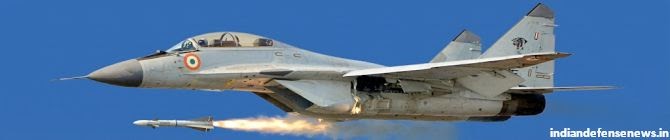
The Indian Air Force is taking a decisive step to address its fighter jet capability gap by equipping the MiG-29 UPG squadron with the next-generation MBDA ASRAAM.
The ASRAAM represents a generational leap in aerial warfare technology. Its advanced infrared seeker and extended range of more than twenty-five kilometres effectively double the engagement envelope compared to the older Russian systems.
This ensures that Indian pilots can strike first and strike decisively, a critical advantage in modern dogfights where fractions of a second determine survival.
The missile’s fire-and-forget capability reduces pilot workload in high-intensity combat. Once launched, the weapon autonomously tracks and neutralises fast-moving targets, freeing the pilot to focus on manoeuvring and situational awareness. This feature is particularly vital in complex engagements where multiple threats emerge simultaneously.
By integrating this European system, India is not merely upgrading its arsenal but transforming the MiG-29 into a future-ready interceptor. The combination of speed, precision, and autonomy allows the venerable platform to remain relevant against newer adversary aircraft and advanced air defence systems.
This strategic modernisation underscores India’s intent to maintain aerial dominance in a contested regional environment. As neighbouring powers field increasingly sophisticated fighters and missiles, the ASRAAM ensures that India retains a critical first-shot advantage.
The move highlights a broader trend of diversifying defence procurement beyond traditional Russian suppliers, signalling a shift towards Western technology to plug capability gaps.
In essence, the integration of the ASRAAM breathes new life into India’s legacy fleet, ensuring that the MiG-29 UPG remains a lethal and credible force in the skies for years to come.
RW
