

BELFAST — After months of delay, the UK published its Defence Investment Plan (DIP) today, which is to be bankrolled by £298 billion ($395 billion) over the next four years, a surge of £15 billion over previous budget estimates.
The document sets out long-term British spending commitments, headlined by a promise to invest 2.7 percent GDP before the end of the decade, an increase of 0.4 percent since 2024, when outgoing Prime Minister Keir Starmer first took office.
RELATED: UK prime minister pledges nearly $105B defense budget by 2029
“The central purpose of this defense investment plan, which we published today, is to ensure that they [servicemen and women] have the kit and technology they need to do the difficult job that we ask of them,” newly appointed Secretary of State for Defence Dan Jarvis told lawmakers today.
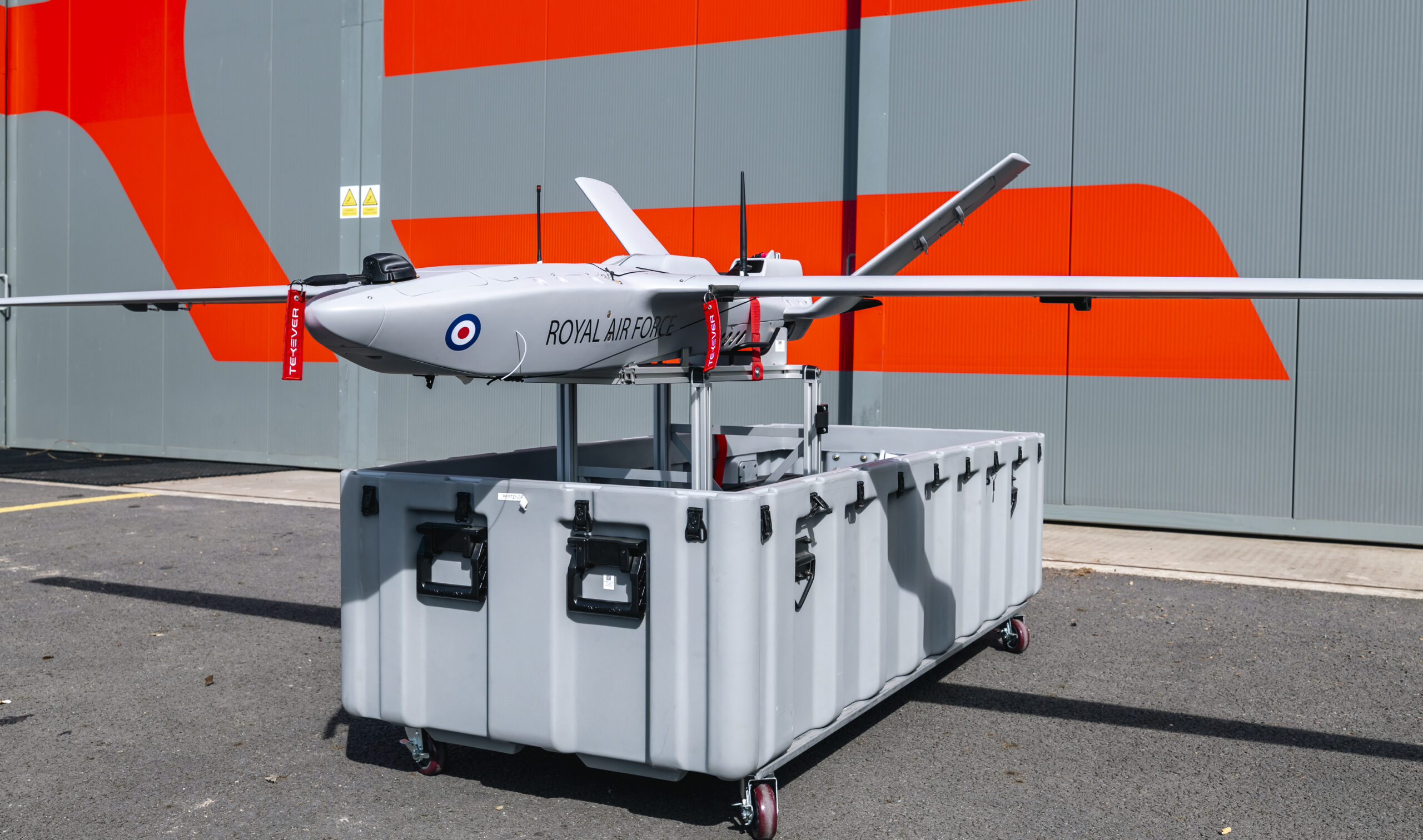
Beyond top line spending, one of the leading takeaways from the DIP is the clear push to acquire and field autonomous systems, underpinned by a £5 billion investment in the technology to be used at sea, on land and in the air. There’s also significant funding for the UK’s envisioned next-generation fighter aircraft, the Tempest, and a large chunk of cash for armored vehicles.
But the £15 billion additional investment is still far short of the £28 billion reportedly originally sought by defense officials, meaning the DIP featured some significant gaps in funding for different programs as well.
The full report is available here [PDF], but in the meantime, here are some highlights:
At sea:
- The UK is scrapping plans to pursue a fleet of Type 83 destroyers in favor of at least six “hybrid” warships called Common Combat Vessels (CCVs). The ships, which will replace the current Type 45 air defense destroyers, are envisioned as working in tandem with aerial, surface and subsurface unmanned systems. The UK also will not go forward with the Type 32 frigate.
- In all, the DIP allows for £1.5 billion to develop a broader hybrid navy concept, which builds off a “crewed where necessary, uncrewed where possible,” model, as a senior UK official put it ahead of the DIP’s rollout on Monday.
In the air:
- The most eye-catching parts of the DIP appear to center around funding valued at £8.6 billion for the Global Combat Air Programme (GCAP), designed to deliver a sixth-generation fighter jet in collaboration with Italy and Japan, known as Tempest in the UK.
- The DIP also calls for a new Collaborative Combat Aircraft (CCA) program, akin to the ongoing US Air Force program, that aims to have a flying a CCA concept demonstrator “by at least 2030.” (As novel as such an ambition might seem, it is not the first time the UK has committed to a drone wingman demonstrator. In 2022, it axed Project Mosquito arguing that continued investment in the effort no longer made “a huge amount of sense.”)
- Not to be left out, the UK’s current Eurofighter Typhoon will see £1.1 billion for upgrades and sustainment, while the UK is also readying for the arrival of a first batch of F-35A dual capable, fifth-generation fighter jets, set to enter service in the early 2030s. A production contract for the new fighter fleet has still to be signed, however.
- But not all air programs were funded. The DIP specifically highlights that the Shadow R1 ISR aircraft will be set for “early retirement.”
On land:
- the UK plans to spend some £2.2 billion for new Boxer 8×8-wheeled, all-terrain, armoured vehicles and another £1.1 billion to complete production of upgraded Challenger 3 Main Battle Tanks. More than £500 million is earmarked for Light Mobility Vehicle (LMV) and Heavy Protected Mobility projects, as a successor to the Land Rover and a new 6×6 armoured vehicle system.
- The plan calls for £150 million to be spent on developing unmanned ground vehicles, and another £220 million for Project NYX to build armed autonomous drones to operate with AH-64E Apache attack helicopters.
- Counter-drone capabilities also get a surge of cash in the form of a £200 million investment.
The DIP’s publication, long-awaited as it was, will not be the last word on British defense spending, however. The first test of whether the DIP will endure could arrive in a matter of weeks as Andy Burnham, prime minister-in-waiting, prepares to take over from Starmer. In comments earlier today, Starmer refused when asked, to say if Burnham had signed off on the document.
