

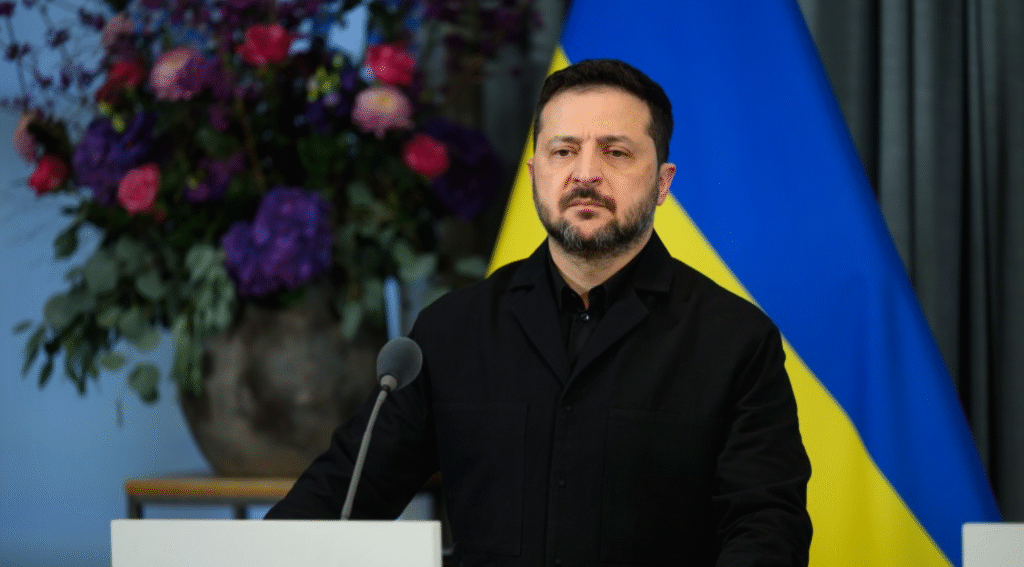
Ukrainian President Volodymyr Zelensky is ready to discuss territorial issues directly with Russian President Vladimir Putin in an effort to end the war, Ukraine’s foreign minister has said.
Andrii Sybiha said Kyiv had proposed a meeting between the two leaders to address the most difficult questions surrounding a potential peace agreement.
Speaking to Finnish newspaper Helsingin Sanomat, Sybiha said the proposal had been conveyed to Putin during a telephone conversation with Finnish President Alexander Stubb and Norwegian Prime Minister Jonas Gahr Støre on October 27.
The call, which lasted approximately 90 minutes, had been coordinated with Ukraine and was intended to secure a ceasefire and advance negotiations between Moscow and Kyiv.
“We want this meeting, and we are ready for it,” Sybiha said.
“Probably only a meeting between Zelensky and Putin can bring a new quality to the negotiations. Zelensky is ready to discuss the most difficult and sensitive issues, including the territorial question.”
The foreign minister said direct negotiations could also create opportunities for prisoner exchanges and the return of Ukrainian children taken to Russia during the conflict.
He said Kyiv was willing to consider different locations for a summit, provided it was not held in Moscow or Belarus.
Sybiha dismissed Russia’s previous invitation for Zelensky to visit Moscow as “not serious.”
The latest diplomatic initiative comes ahead of planned negotiations involving Ukraine, Russia and the United States in Abu Dhabi in November.
“Our assessment is that the call was a step forward in our peace efforts,” Sybiha said.
“Those talks will show whether Russia has serious intentions to end the war through diplomatic means,” he said.
Asked whether Putin had made any significant statements during the conversation, Sybiha replied: “At least it [the call] happened.”
The initiative prompted criticism from some European officials, although Stubb and Støre maintained that they had acted in their national capacities rather than on behalf of Europe.
Sybiha defended the decision, arguing that Ukraine needed to use every available diplomatic channel to end the war.
He also called for a stronger European role in future negotiations, saying European governments should coordinate their positions more closely.
Stubb’s relationships with Zelensky and US President Donald Trump had already made him an important figure in diplomatic efforts, Sybiha said.
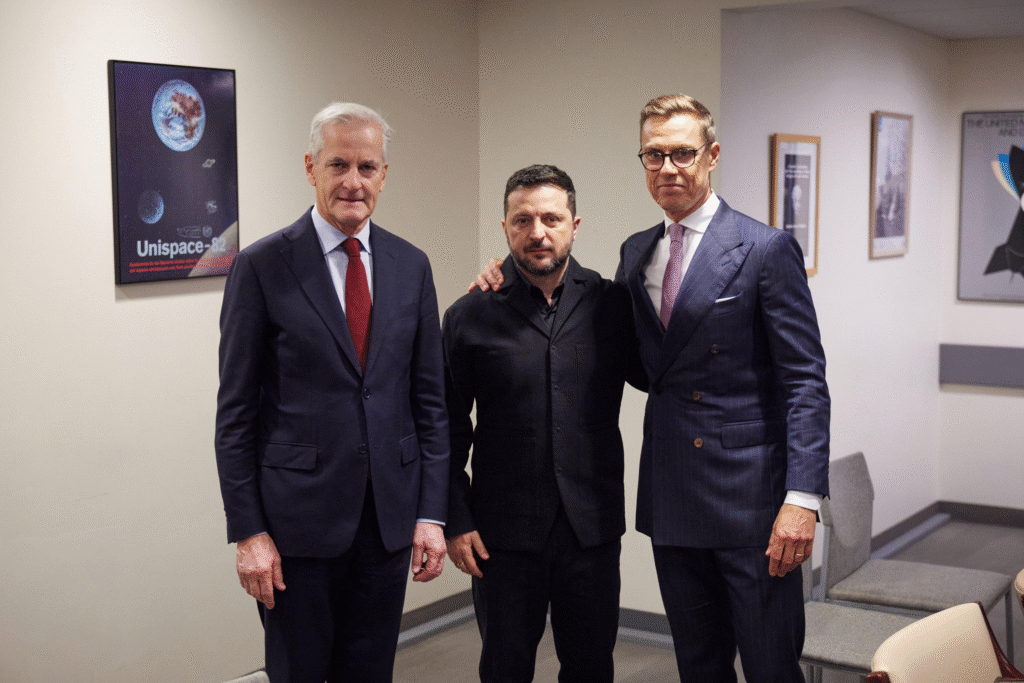
Asked whether Stubb could represent Europe in future negotiations, Sybiha said European Union leaders would have to make that decision.
“Why not?” he replied.
Despite calling for greater European involvement, Sybiha emphasised that American participation remained essential to securing a lasting settlement.
“It is not realistic to end the war without them, or to obtain real security guarantees for the future without them,” he said.
He argued that European diplomacy should support Washington’s efforts rather than replace them.
Meanwhile, Russian attacks on Ukrainian cities have continued despite renewed diplomatic activity.
Sybiha said Russian forces had launched approximately 100 ballistic missiles against Ukraine over the previous two weeks, reinforcing Kyiv’s determination to pursue additional diplomatic channels.
Moscow has maintained that any agreement must address what it describes as Russia’s security interests.
Trump said on October 28 that he hoped to arrange a summit involving Putin and Zelensky “very soon.”
Kremlin spokesman Dmitry Peskov subsequently said a meeting remained possible but would require “extensive, meticulous preparation.”
Russia has continued to insist that Zelensky travel to Moscow for direct talks, a proposal Kyiv has repeatedly rejected.
Zelensky has instead suggested meeting Putin in a neutral country or on the sidelines of the G20 summit in the United States in December.
Peskov dismissed the latter proposal as “impossible,” saying Zelensky could accept Moscow’s invitation if he “truly desires” direct negotiations.
Nevertheless, Sybiha expressed hope that the latest contact between European leaders and Putin could help revive the diplomatic process.
“We have hope that things will move forward after that call,” he said.
